Last updated on October 24th, 2026 at 11:47 am

How to Become a Certified Yoga Instructor
To become a certified yoga instructor, you need to complete a 200-hour teacher training at a Yoga Alliance Registered Yoga School (RYS), pass the programme requirements, and register as an RYT 200 with Yoga Alliance. Here is a clear, practical guide to doing it properly.
What “Certified” Actually Means
Before the steps, a distinction that saves a lot of confusion later. In most countries there is no government licence to teach yoga. No board examines you, and no law stops an untrained person from hiring a hall and running a class.
What exists instead is voluntary registration. A school meets a set of published minimums and becomes a Registered Yoga School. You complete that school’s programme, and you may then apply in your own name to become a Registered Yoga Teacher. The school trains and certifies you; the registry lists you. They are two different things and they happen in that order.
The published standards are what give the credential meaning: minimum hours across techniques and practice, teaching methodology, anatomy and physiology, philosophy and ethics, and a supervised practicum.
This matters practically. Studios and insurers use registration as a shorthand for baseline competence, which is why it is worth having. It is not a licence, it does not make you regulated, and it does not by itself make you good. Understanding that from the start keeps your expectations accurate and your marketing honest.
How Long the Path Really Takes
People usually ask how long the training is. The more useful question is how long the whole path takes, from first serious class to being paid to teach.
A reasonable pattern looks like this: one to two years of consistent personal practice before you train, a four-week immersion or several months of part-time study to complete the hours, a few weeks afterwards for registration and insurance, and then three to six months of teaching whatever you can get before it starts feeling natural.
Call it two to three years end to end for most people. The training itself is the shortest part of it, which surprises almost everyone.
You can compress the front of that timeline, and plenty of people train with less than a year of practice behind them. What you cannot compress is the part after graduation, because fluency comes from repetition and repetition takes calendar time. Knowing that in advance stops the first slow months from reading as failure.

Step 1: Build a Genuine Personal Practice
Before you can teach yoga, you need to know it from the inside. This means practising consistently, across different styles, with different teachers, and with genuine curiosity about what each approach offers.
Aim for at least six months of regular practice before applying to a YTT. This doesn’t mean you need to be advanced. It means you need to be familiar with the foundations of asana, have some experience with pranayama and meditation, and have developed enough body awareness to learn anatomy effectively.
If you haven’t already, explore several styles. Hatha gives you the technical foundation. Vinyasa develops fluency in flow. Yin teaches you stillness and connective tissue awareness. Each informs your teaching in a different way.
Step 2: Choose the Right Yoga Teacher Training
This decision matters more than most people realise. The quality of your training determines not just what you know, but how you teach, how you hold space, and how safe your students are in your care.
Look for a programme that is accredited by Yoga Alliance as an RYS 200. This is the minimum for international recognition. Beyond the badge, look for these specific qualities.
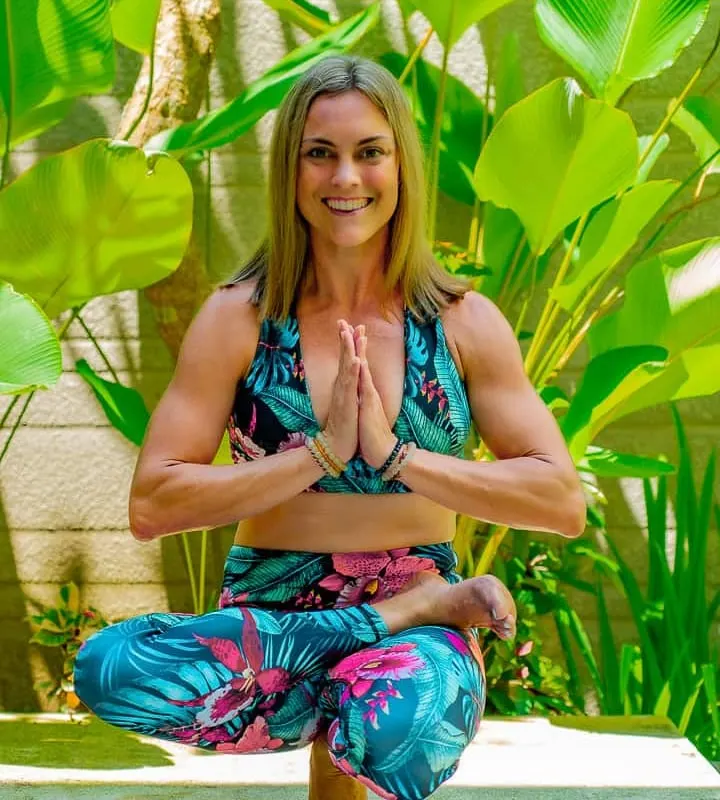
Experienced, specialised teachers. A strong programme has more than one lead trainer. At Loka Yoga School, our co-directors Taryn Weggelaar and Yann Cadic bring different but complementary expertise: Taryn is an E-RYT 500 with deep roots in practice and philosophy, and Yann brings anatomy and physiology knowledge grounded in science. One teacher cannot be the authority on everything.
A rigorous anatomy module. Yoga Alliance mandates anatomy in the curriculum, but the depth varies enormously between schools. Insist on anatomy taught by someone with a medical or science background. Your ability to keep students safe depends on this.
A real practicum. You should teach complete classes and receive detailed feedback before you graduate. If a programme doesn’t include this, do not join it.
Small group sizes. You cannot receive meaningful individual attention in a group of 30. At Loka, we maintain a ratio of approximately 3 teachers to 16 students.
An immersive, retreat-style programme in a location like Bali offers significant advantages over a part-time weekend programme or a fully online yoga teacher training. Full immersion removes the distractions of your daily life and allows you to absorb the material at a different depth.
Explore our 200-Hour YTT in Bali here.
Step 3: Complete Your Training
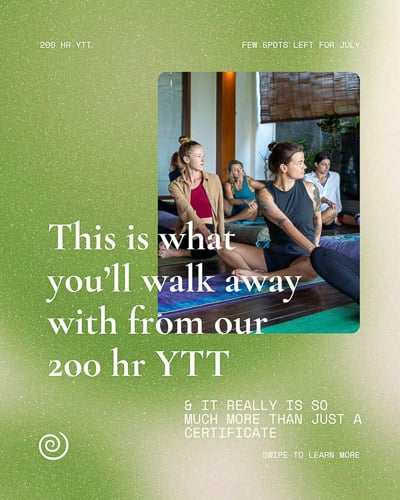
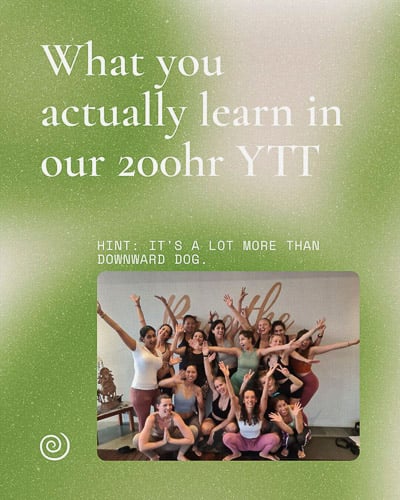
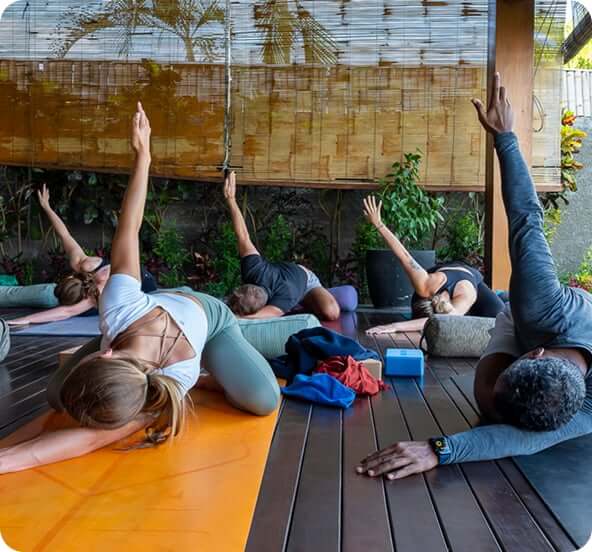
A 200-hour YTT covers the following core areas:
- Asana: technique, Sanskrit nomenclature, benefits, contraindications, and modifications
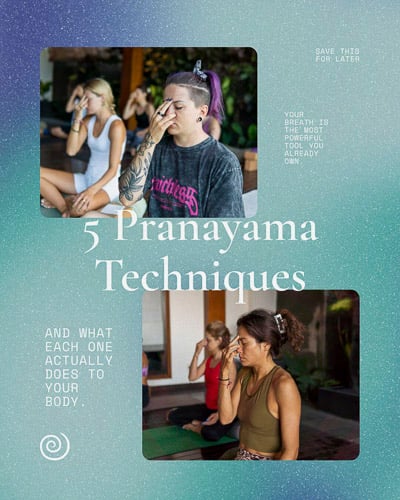
- Pranayama: breathwork practices and their physiological effects
- Meditation: techniques, philosophy, and how to guide others
- Yoga philosophy and history: the Yoga Sutras, the eight limbs, Vedic tradition
- Anatomy and physiology: the musculoskeletal system as it relates to yoga practice
- Teaching methodology: sequencing, cueing, class structure, adjustments, and holding space
- Practicum: supervised teaching with feedback
At the end of your programme, you’ll receive your teacher training certificate from your school.
Step 4: Register with Yoga Alliance
Once you’ve graduated from an RYS 200 programme, you can apply to register as an RYT 200 with Yoga Alliance. There is an initial application fee and an annual membership fee. Your RYT 200 registration is recognised internationally and is required by most studios and gyms as a condition of employment.
If you later complete a 300-hour advanced training, you can upgrade your registration to RYT 500.
Week 1: Asana & Anatomy Foundations
Your first week lays the physical and anatomical groundwork for everything that follows. Daily asana practice covers hatha, vinyasa, restorative and yin styles, paired with the anatomy and biomechanics knowledge you need to understand how the body actually moves, so you can teach with confidence, not just repetition.
Week 2: Pranayama, Meditation & Yoga Philosophy
With a strong asana foundation in place, you move into the subtler dimensions of the practice: daily pranayama and meditation sessions, alongside a deep dive into yoga philosophy and history. This is where your practice starts to become a teaching, not just a routine.
Week 3: The Art of Sequencing & Teaching Practice
Now you learn the art of sequencing and begin refining your own teaching voice, practising how to structure a class, cue safely, and hold space for students of different levels and abilities.
Week 4: Practicum, Assessment & Certification
In your final week you’ll complete your practicum teaching hours, sit your assessments, and graduate with your internationally recognised 200-hour Yoga Alliance certification, ready to teach anywhere in the world.
Step 5: Get Insured
Before you teach a single class, get professional liability insurance. This is a practical and ethical necessity, not optional. Many studios require proof of insurance before hiring, and you should hold it regardless of where or how you teach.
JULY 4 - 31, 2026
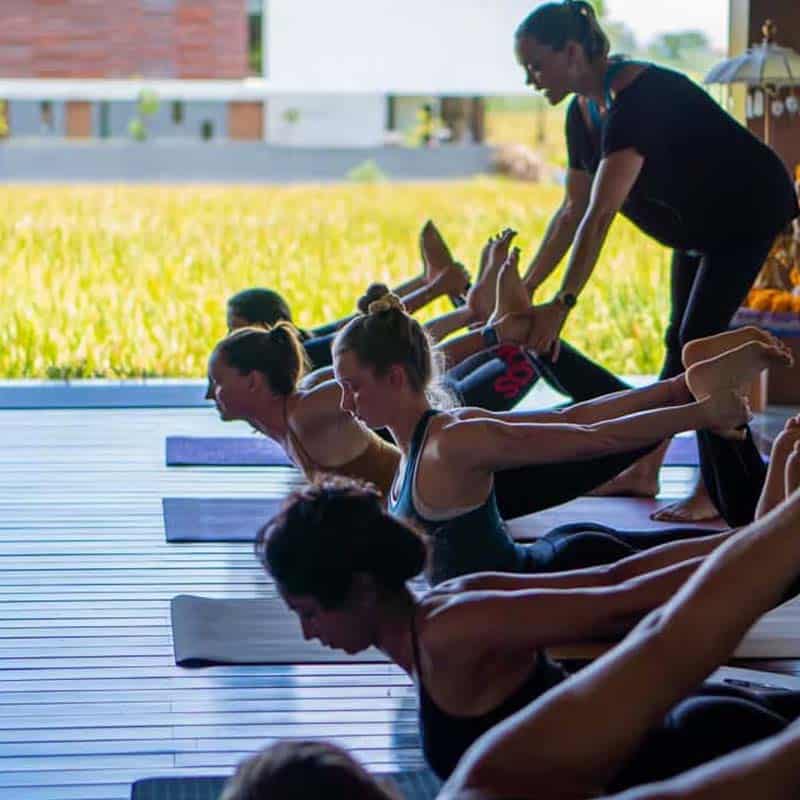
Our July 2026 session runs from the 4th to the 31st, a full 28-day immersive residential training at our Kedungu venue. Apply now to secure your spot.
OCTOBER 3 - 30, 2026
Our October 2026 session runs from the 3rd to the 30th, a full 28-day immersive residential training at our Kedungu venue. Apply now to secure your spot.
Step 6: Start Teaching
Begin where you are. Teach friends, family, and community connections. Offer community classes or donation-based sessions. Approach local studios, gyms, and workplaces.
You won’t feel completely ready. Teach anyway. The first six months of teaching will consolidate your training more effectively than any additional study. Your confidence and competence will build in real time.
If, after graduating, you feel you want to deepen before teaching publicly, our online advanced trainings in Yin Yoga, Breathwork, and Meditation are excellent next steps.
Step 7: Keep Learning
The best teachers are perpetual students. Commit to your own sadhana, attend workshops, study yoga philosophy, and consider advanced certifications over time. Continuing education is how you stay current, safe, and genuinely inspired in your work.
You can start by exploring our Online Yoga Philosophy Course or our 100-Hour Advanced YTT.
Ready to begin? Apply to Loka Yoga School here.

Choosing What You Will Actually Teach
A foundation training gives you a general toolkit. Fairly soon afterwards, you have to decide what your classes are, because “yoga” is not a specific enough promise to build a schedule on.
The practical questions are pace, temperature and intent. Do you want to teach continuous, breath-linked movement, or held postures with detailed alignment, or long passive holds that work into connective tissue and stillness? Those are different rooms, different students, and different physical demands on you as the person teaching several classes a week.
Most new teachers guess wrong at first, and that is fine. Teach a range for a year and notice which classes leave you energised rather than depleted. That is usually the more honest signal than what you enjoy practising.
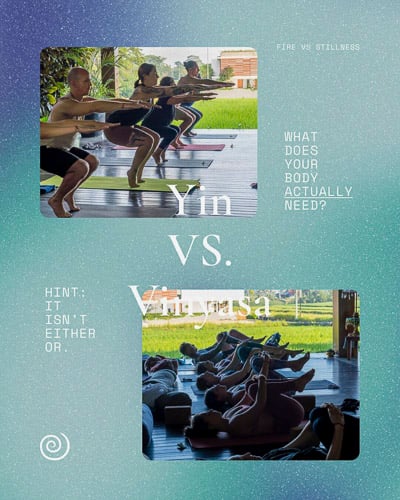
Two of our pieces are useful here: the comparison of yin yoga and vinyasa, and the overview of the main schools and lineages of yoga and what each one is actually asking of a practitioner.
Teaching Abroad With Your Certificate
A registered qualification travels better than most people expect, with two caveats worth knowing before you plan a life around it.
The credential itself is not country-specific, and studios across Europe, Asia, Australia and the Americas recognise it. What is country-specific is everything around it: the right to work, the tax you owe, and whether your insurance covers you outside your home country. Insurance is the one people miss, because a domestic policy often stops at the border.
Visas are the real constraint. Teaching for payment on a tourist visa is unlawful in most places, including popular yoga destinations, and enforcement is not as rare as the rumour mill suggests. Retreat and studio work abroad usually needs a sponsor or a specific permit, and a reputable employer will raise this before you do.
The workable version for most new teachers is to build a base at home, teach online, and travel for defined pieces of work you have arranged properly in advance. Our piece on the realities of working in the yoga industry is honest about how that income actually assembles.
Where the Training Itself Fits
Of the seven steps, the training is the one you can control most directly and the one that shapes everything after it. A weak programme still produces a certificate. It does not produce a teacher who knows what to do when the room does not match the plan.
What separates them is not the syllabus, which is broadly similar everywhere, but the contact: how small the group is, whether the named trainers are the ones in the room, and how many times you actually teach before you are assessed. We have set out how to compare schools properly in our guide to choosing the right yoga teacher training school, and what a full immersion involves day to day in what to expect from a 200-hour training.
Ours runs as a four-week immersion in Bali, with anatomy taught by Yann and philosophy and practice led by Taryn, in groups small enough that nobody teaches into an empty room. You can see the curriculum, dates and inclusions for our Yoga Alliance certified 200-hour YTT in Bali.
What the paperwork does not prepare you for
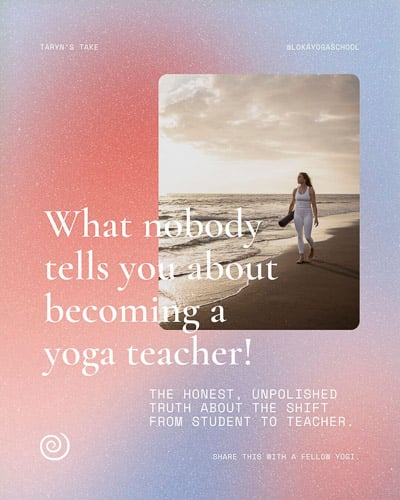
Graduating settles the question of whether you may teach. It does not settle whether anyone will book you, and those are two different problems with two different solutions. Most new teachers meet that gap somewhere in the first three months.
Scheduling catches people out first. Studios protect their prime evening slots for teachers who already draw a room, so your early classes tend to land at 6am on a Tuesday or mid-afternoon on a Sunday. Those are the slots where you either build a following or quietly stop teaching.
Money is the second surprise. A per-class rate looks reasonable until you count the travel, the planning, the cover classes you pick up to stay visible, and the weeks when four people show up. Teachers who make it work full time usually stack studio classes with private clients, workshops, or corporate sessions, and that mix takes a year or two to assemble.
The third is harder to name: holding a room. You can sequence cleanly, cue accurately, and still lose a class because you have not learned to read what is in front of you. That skill comes from teaching real people in real rooms, which is why your first hundred classes matter more than your second qualification.
None of this is an argument against training. It is an argument for treating the certificate as the start of an apprenticeship rather than the end of a course. Teach anywhere that will have you in the first year, ask for the feedback you would rather not hear, and write down after every class the one thing you would do differently. If you want an unvarnished view of the economics before you commit, read our account of working in the yoga industry.
Get Certified With Loka
Not sure what training involves? Read what to expect in a 200-hour YTT before you commit.
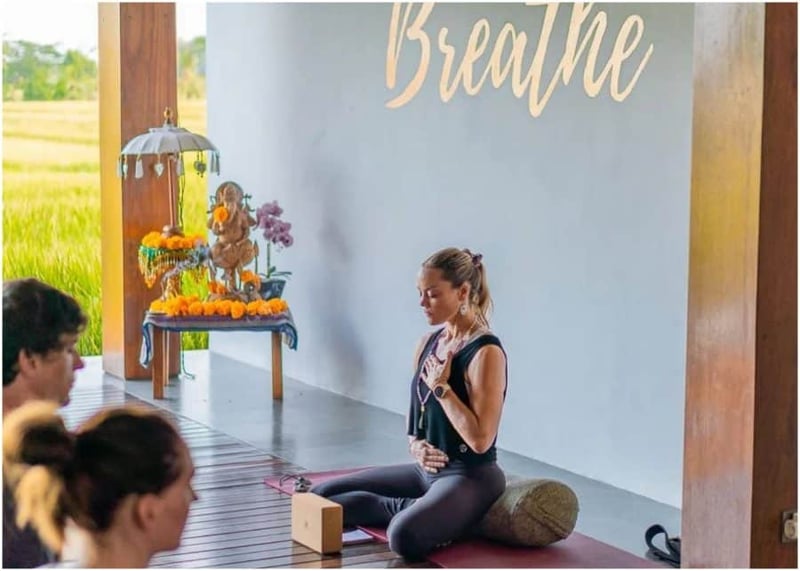
Our 200-Hour Yoga Teacher Training in Kedungu, Tabanan gives you a Yoga Alliance credential and the skills to teach with confidence.
Frequently Asked Questions
Do I legally need a certification to teach yoga?
In most countries, there is no legal requirement to hold a yoga certification. However, professional insurance requires one, and virtually every studio, gym, and fitness centre requires proof of a 200-hour Yoga Alliance-recognised certification before hiring. Teaching without credentials also undermines your credibility and, more importantly, your ability to keep students safe.
How long does a 200-hour yoga teacher training take?
Intensive, immersive programmes take approximately four weeks of full-time commitment. Weekend programmes can take six to twelve months. A full immersion generally produces a deeper, more integrated result because you’re living and breathing the training rather than returning to ordinary life between sessions.
How much does it cost to become a certified yoga instructor?
A quality 200-hour YTT typically costs between $2,000 and $4,500 AUD equivalent depending on location and inclusions. Bali-based immersions at this price point often include accommodation and meals, which significantly reduces the total cost compared to a local programme where these are separate expenses. See our Bali yoga teacher training cost guide for the line-by-line numbers.
What styles of yoga should I learn to teach?
A strong foundation in Hatha Vinyasa gives you the versatility to teach the widest range of students. Adding Yin Yoga gives you access to a completely different demographic, including athletes, older students, and anyone dealing with stress or injury. Specialisations in Breathwork and Meditation make you genuinely comprehensive.
Can I teach yoga internationally with a Yoga Alliance certification?
Yes. An RYT 200 from a Yoga Alliance Registered Yoga School is recognised globally. It is the industry standard in Australia, New Zealand, the UK, Europe, the US, Canada, and most other markets where yoga is taught professionally.
The Loka Newsletter
Enliven your routine with exclusive spiritual content. There’s so much to learn.

Find us on Instagram
@lokayogaschool