Last updated on October 22nd, 2026 at 08:44 am
Types of Yoga Schools: A Guide to the Main Styles
There are dozens of yoga styles taught around the world, and choosing between them can feel overwhelming. The short answer: the best type of yoga is the one that matches where you are right now, physically, mentally, and in terms of what you actually want from your practice. This guide breaks down the major schools so you can choose with clarity.
A yoga school is more than a set of poses. It is a coherent system with its own philosophy, sequencing logic, and intended outcome. Some schools prioritise physical conditioning, others work primarily on the nervous system, and others are explicitly spiritual in orientation. Understanding these distinctions saves you time on the mat and helps you build a practice that genuinely serves you.
At Loka Yoga School in Bali, our motto is “Where Science Meets Spirituality.” We teach across multiple traditions precisely because no single style addresses every dimension of a human being. Anatomy has something to say about what your connective tissue needs. Neuroscience has something to say about how breathwork shifts your nervous system. Ancient philosophy has something to say about why you practise at all. A well-rounded yogi draws from all of it.
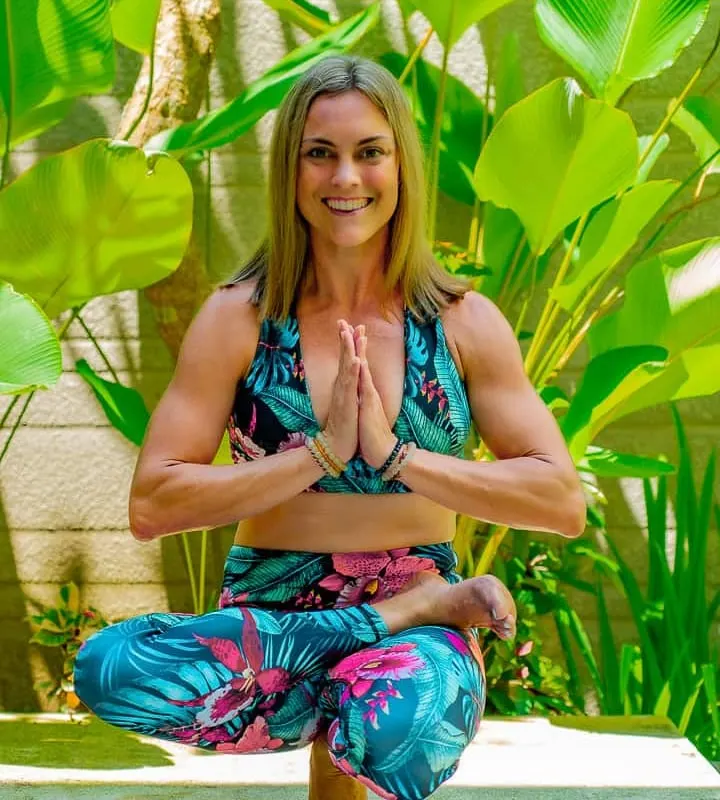
Hatha Yoga: The Foundation
Hatha yoga is the umbrella term for the physical practice of yoga as a whole. In common usage, a “Hatha class” refers to a slower, pose-by-pose format that introduces asana and pranayama without a fixed flowing sequence.
It is an excellent entry point. You build an understanding of individual poses, learn foundational alignment principles, and develop body awareness without the added challenge of continuous movement. The slower pace also makes it accessible for people returning from injury or starting later in life.
From a physiological standpoint, the sustained holds in a Hatha class activate the parasympathetic nervous system, reducing cortisol and creating conditions for genuine relaxation. This is not a trivial benefit.
Ashtanga Yoga: Structure and Heat
Ashtanga follows a fixed series of postures performed in the same sequence every time, linked by breath and movement. Sri K. Pattabhi Jois systematised the modern form in Mysore, India, and it remains one of the most rigorous physical practices available.
The consistent sequence allows you to measure genuine progress over time. The internal heat generated through the practice, called tapas, promotes both physical purification and mental focus. Research on high-intensity movement practices supports the idea that this kind of sustained aerobic effort increases BDNF, the protein associated with neuroplasticity and mood regulation.
Ashtanga suits people who thrive on discipline and repetition. It is not ideal if you have an aversion to doing the same thing repeatedly or if you carry significant joint injuries.
Vinyasa Yoga: Flow and Breath
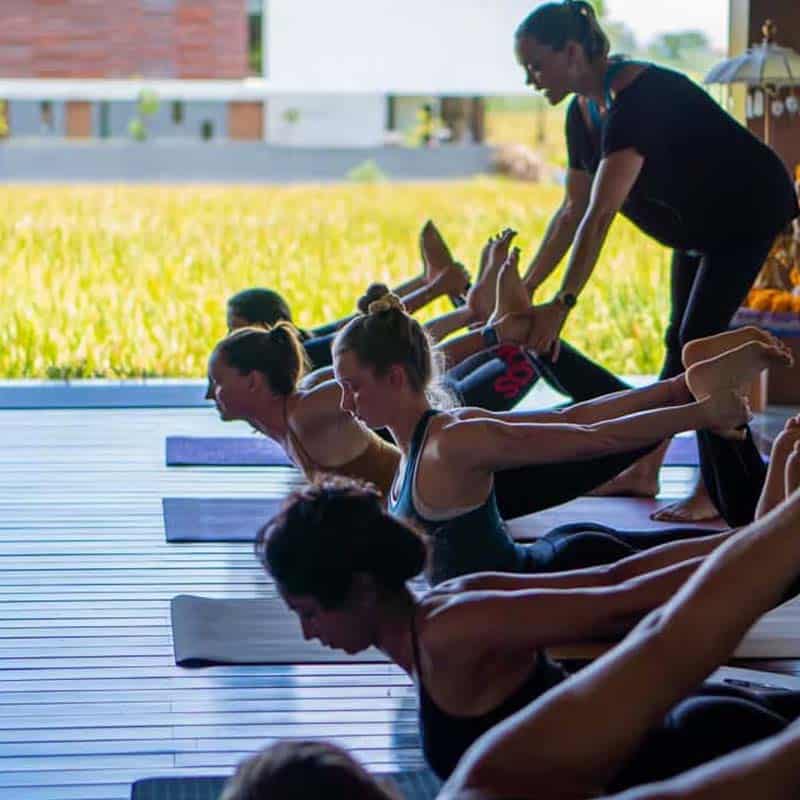
Vinyasa takes the linking principle from Ashtanga and liberates it from a fixed sequence. Teachers choreograph their own flows, matching movement to inhale and exhale, creating what practitioners often describe as a “moving meditation.”
The lack of a fixed sequence keeps the practice mentally engaging and allows teachers to theme classes around specific body regions or intentions. Sun salutations are the structural backbone of most Vinyasa classes.
Physiologically, the sustained synchronisation of movement and breath activates interoception, your body’s ability to sense its own internal state. Regular Vinyasa practice strengthens this capacity, which research links to improved emotional regulation. For a closer look at this style, see our guide to what Ashtanga yoga is.
Yin Yoga: Deep Tissue and Stillness
Yin yoga targets the connective tissues: fascia, ligaments, joint capsules, and tendons. These structures do not respond to the rhythmic, muscular contractions of a Yang practice. They require sustained, moderate stress applied over three to five minutes per pose, held in a relaxed, non-muscular way.
Yin is derived from Taoist practices and was introduced to the West by Paulie Zink, then developed by Paul Grilley. It is the closest physical yoga practice to classical seated meditation, and many practitioners find it profoundly difficult precisely because it asks you to stay still.
For athletes, office workers, and anyone who moves through life in a predominantly Yang state, a regular Yin practice is one of the most effective tools available for restoring range of motion and regulating the nervous system. Our Online Yin Yoga Teacher Training explores the anatomy and philosophy of Yin in depth.
Four More Styles Worth Knowing
Iyengar Yoga: Precision and Alignment
BKS Iyengar developed this highly detailed system in Pune, India. The defining feature is an emphasis on precise alignment in each asana, supported by the use of props including blocks, bolsters, straps, and chairs.
Iyengar yoga is particularly well suited to people managing chronic conditions, structural asymmetries, or post-injury rehabilitation. The methodical approach develops exceptional proprioceptive awareness, and the use of props means the poses can be adapted to virtually any body.
Kundalini Yoga: Energy and Awareness
Kundalini yoga works with the energetic body through specific kriyas (sets of exercises), pranayama, mantra, and mudra. The aim is to awaken and circulate the pranic energy said to reside at the base of the spine, drawing it upward through the chakra system.
It is the most explicitly spiritual of the common yoga styles. Classes involve chanting, breathwork patterns, and often meditation. The physical postures are secondary to the energetic and meditative work.
Bikram and Hot Yoga: Heat and Repetition
Bikram yoga is a fixed sequence of 26 postures and two breathing exercises, practised in a room heated to around 40 degrees Celsius with 40 percent humidity across a 90-minute class. The heat warms the muscles and can allow a deeper stretch, and the unchanging sequence lets you measure progress the same way Ashtanga does.
Popular claims that the heat detoxifies the body are overstated: you sweat heavily, but the liver and kidneys do the actual work of clearing waste. Hot practice suits people who enjoy intensity and repetition, though it asks for careful hydration, and it is not the right choice if you are pregnant or manage a cardiovascular condition.
Restorative and Therapeutic Yoga: Recovery and Repair
Restorative yoga uses extensive props to support the body in passive shapes, often held for ten to twenty minutes. The intention is complete muscular surrender and deep nervous system down-regulation.
This style is not about flexibility gains or strength building. It is therapeutic: appropriate for burnout, chronic illness, trauma recovery, and periods of intense life stress. The physiological mechanism is the activation of the rest-and-digest branch of the autonomic nervous system, which is increasingly difficult to access in modern life.
How to Choose the Right Style
Ask yourself three questions before you commit to a style.
What does your body need right now? If you are tight, inflamed, and exhausted, a vigorous Vinyasa class will add stress to an already stressed system. Yin or Restorative may serve you better. If you are sedentary and sluggish, Ashtanga or Vinyasa will generate the heat and movement your system needs.
What is your relationship with stillness? Some people use a dynamic practice to avoid the discomfort of sitting with themselves. A Yin or meditation-focused practice will surface what a fast-paced flow allows you to outrun.
What is your ultimate intention? Physical fitness, stress management, and spiritual development are all legitimate goals, but they may point toward different practices.
At our shala in Canggu and Kedungu, Bali, we teach across these traditions within our 200-Hour Yoga Teacher Training, giving graduates the range and the understanding to teach responsively rather than prescriptively.
What Actually Separates One Style From Another
Style names tell you less than you would expect. Two classes advertised as vinyasa can differ more from each other than a vinyasa class differs from a hatha class. What actually varies between traditions is a short list of adjustable dials, and once you can hear them named you can read a timetable properly.
Pace is the first dial. Some traditions move one breath to one movement, others hold a single shape for two minutes or 10. Pace decides whether you finish the class more alert or more settled, and it is the strongest predictor of whether you will keep going.
Sequencing is the second. A set sequence, as in Ashtanga’s primary series, gives you a fixed benchmark: the same shapes every time, so progress is obvious. An open sequence gives the teacher room to respond to whoever turned up, at the cost of that benchmark.
Then there is heat, load, prop use, and how much philosophy gets spoken aloud. A room at 40°C changes what your tissue will tolerate on the day, not what it structurally becomes. Props are not a beginner’s crutch either: Iyengar practitioners with decades behind them tend to use more of them, not fewer.
Breath emphasis is the last dial and the one studio marketing skips most often. Some styles treat the breath as a metronome for movement, others treat it as the practice itself. If you want to know which room you are standing in, read our guide to what pranayama actually is before you book.
Lineage, Certification, and What a School’s Name Tells You
A style describes what happens on the mat. A school describes who taught the teacher. Those two things get used interchangeably in marketing, and conflating them is how people end up in a training that does not match what they thought they signed up for.
Most internationally recognised trainings register with Yoga Alliance as a Registered Yoga School, usually at the 200-hour or 500-hour level. Registration is a curriculum standard rather than a quality ranking: it tells you a syllabus covers a required number of hours across technique, anatomy, philosophy, and teaching methodology. It does not tell you whether the teaching is any good.
What tells you that is the faculty. Ask who teaches anatomy and what their background is, ask how many people will be in the room, and ask what happens in the hours that are not asana. Our Yoga Alliance certified 200-hour YTT in Bali publishes its faculty and its daily schedule for exactly that reason.
If you are weighing several programmes against each other, our guide on how to choose the right yoga school sets out the questions worth asking before you pay a deposit. For more of the foundations, our Yoga 101 guides cover the rest.
Trying Something New Without Wasting Six Months
The usual advice is to try everything. That is expensive and it rarely settles anything, because a single class tells you about that teacher rather than about that tradition.
Give any style you are seriously considering four classes with the same teacher before you judge it. The first is orientation, the second is when you stop reading the room, and the third and fourth are the ones that tell you something true.
Keep one note after each class: what your energy was like three hours later, not how the class felt while you were in it. That delayed signal is more honest than the immediate one, and it is what separates a practice you will keep from one you merely admire.
If nothing lands after all that, the variable to change is the teacher, not the style.
Reading a Timetable: What the Labels Actually Mean
Style names get you part of the way. The rest of the information sits in the label the studio has attached to the class, and those labels are not standardised between schools, or always within one.
All levels usually means the teacher will offer options, not that the class is easy. In practice it settles at the level of the room, so a Tuesday morning all-levels class full of long-time practitioners will move faster than the same class on a Saturday.
Level 1 and level 2 refer to familiarity rather than fitness. Level 2 generally assumes you already know the shapes well enough to be cued quickly, which is a memory question more than a strength one. If you are strong but new, level 1 is still the right room.
Power, dynamic and flow all point to heat and continuous movement, though the amount varies. Gentle, slow and restorative mean fewer shapes held for longer, which people assume is easier and often is not, since holding still leaves you nowhere to hide from discomfort.
Where a label is ambiguous, the class length tells you something. A 60-minute class of any style will keep moving, while 90 minutes of the same style has room to hold, explain, and finish properly. Time of day matters too: evening classes in most studios run quieter than morning ones.
When you cannot tell, email and ask what the first ten minutes look like. It is a small question, and the answer describes the class better than any label on the timetable.

Find Your Style With Loka
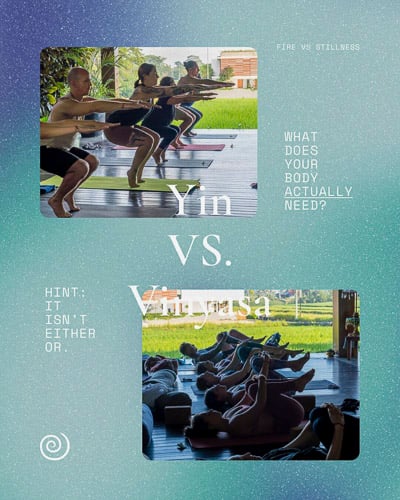
Comparing slow and dynamic practice? Our guide to Yin yoga vs Vinyasa is a good place to start.
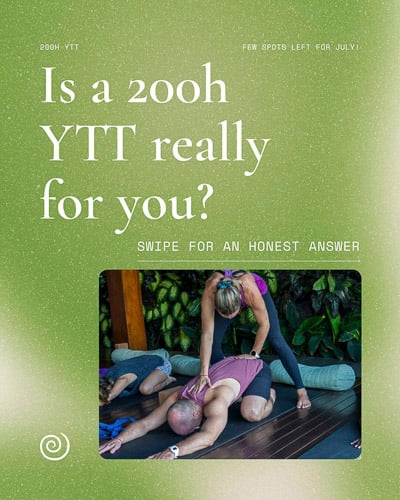
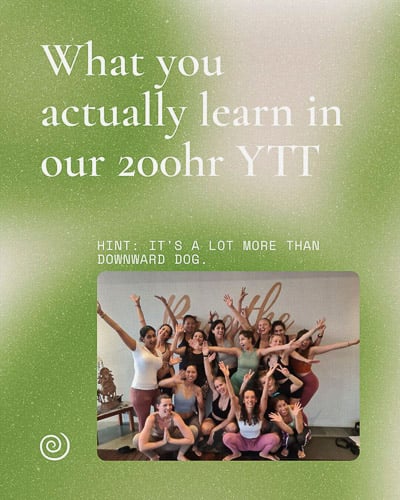
When you are ready to go deeper, our 200-Hour Yoga Teacher Training grounds you in the foundations behind every style.
Frequently Asked Questions
Which type of yoga is best for beginners?
Hatha yoga is the most accessible starting point. The slower pace gives you time to understand individual poses without the added complexity of continuous flow. Yin yoga is also genuinely beginner-friendly because it does not require strength or flexibility, only a willingness to be still.
What is the difference between Vinyasa and Ashtanga?
Ashtanga follows a fixed, unchanging sequence. Vinyasa is creative and varies each class. Both link breath to movement, but Ashtanga demands consistency and progression through set series, while Vinyasa varies the challenge and theme with each teacher and class.
Is Yin yoga suitable for athletes?
Yes, and it is frequently the practice athletes need most. Yin targets connective tissue rather than muscle, addresses the joint mobility gaps that strength training creates, and supports recovery. Many elite sports programmes now incorporate Yin as a mandatory recovery tool.
Can I practise multiple yoga styles?
Absolutely. Many practitioners combine a Yang practice like Vinyasa or Ashtanga with a regular Yin or Restorative session. The two approaches are complementary. A Yang practice builds heat and strength; a Yin practice restores the tissues and calms the nervous system.
What is the most spiritual type of yoga?
Kundalini yoga is the most explicitly spiritual in its structure and intention. That said, every yoga tradition contains a philosophical and spiritual dimension. The eight limbs of yoga, as outlined by Patanjali, apply across all styles. The asana is simply one of eight tools on the path. If you enjoy this kind of background, our 10 shocking facts about yoga is worth a read too.
The Loka Newsletter
Enliven your routine with exclusive spiritual content. There’s so much to learn.

Find us on Instagram
@lokayogaschool