Last updated on October 24th, 2026 at 06:10 pm
The Truth About Working in the Yoga Industry
I want to be honest with you, because honestly, the yoga industry does not get enough of it.
Over years of teaching and training teachers across Australia, India, and Bali, I have witnessed an extraordinary amount of fraud, misrepresentation, and outright dishonesty. Fake teacher bios, AI-generated faces presented as qualified instructors, schools copying certification logos they have no right to display, fresh graduates leading teacher training programmes without any real experience. All of it happening, constantly, in the name of yoga.
It is a business. For many, it has become only a business.
What I Found When I Arrived in India
I sacrificed a great deal to pursue this path. In Western Australia, I had built Yoga Vitality from the ground up, teaching more than thirty classes a week across studios, fitness centres, corporate environments, and elite athlete programmes. I managed four different yoga studios, guided breathwork for the oil and gas industry, and worked with Olympians through the Australian Institute of Fitness. It was real, earned experience.
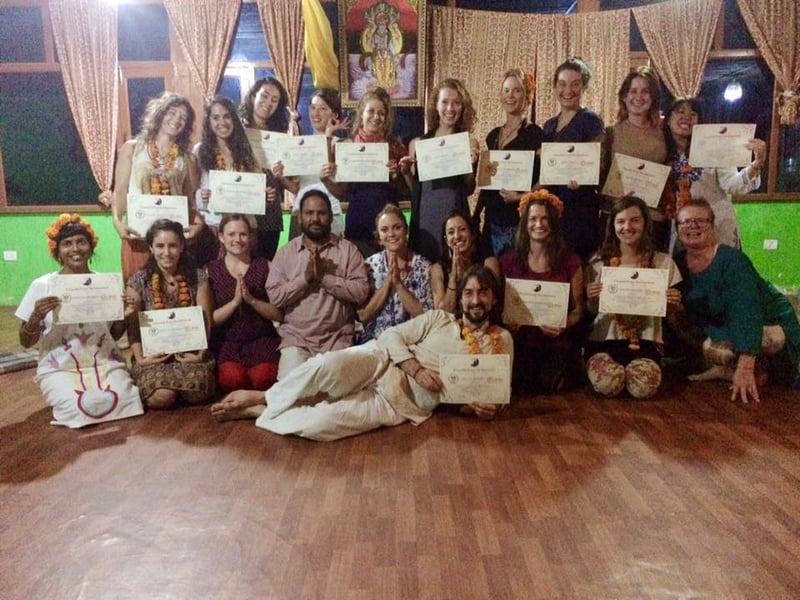
I sold my car, found a tenant for my apartment, and said a heartbreaking goodbye to my newborn niece to accept an invitation to manage and teach at a 200- and 300-hour teacher training school in Rishikesh, India.
What I arrived to was not what was presented.
The teachers advertised on the school’s website did not exist. The IT manager proudly explained to me that he had created their bios and sourced the profile images from a website that generates fictional faces. The head of the ashram had lost interest in yoga years earlier and attended classes only to maintain appearances.
There was no anatomy teacher, so I stepped in. The syllabus did not meet Yoga Alliance standards, so I contacted YA directly, obtained the requirements, and rebuilt the programme myself. I taught because I loved the students. I did not tell them what was happening behind the scenes. I represented the school professionally until the day I left, even though my pay did not cover my food.
Bali: More of the Same
Arriving in Bali, I hoped for better. What I found was the same pattern in a more beautiful setting.
I have been cheated by business partners who lacked integrity. I have lost thousands of dollars in venue agreements that the other party simply chose not to honour. I have been bullied by people who spoke about compassion on their websites while demonstrating none in practice. I poured months of effort into collaborations that fell apart through dishonesty. Each time, I had to start again.
I trust easily. That quality has been exploited. I have looked naive more times than I can count. And yet, I kept returning to the practice, because yoga teaches you exactly what to do with suffering: sit with it, learn from it, and let it shape your integrity rather than erode it.
What kept me going was this realisation: the programme my students were experiencing was mine. Their growth, their breakthroughs, their skill as teachers, those were built from my knowledge, care, and commitment. I was doing the work. Why was I doing it for someone else?
Building Loka Yoga School
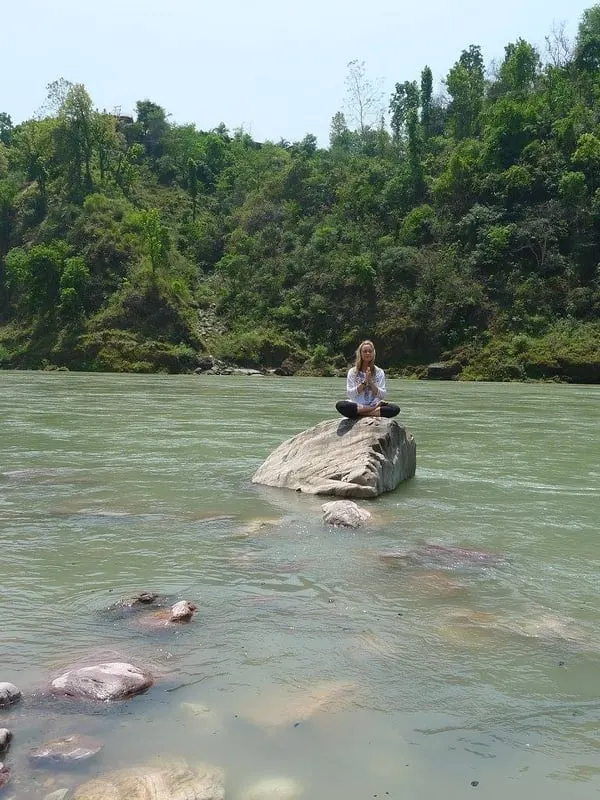
When I spoke with Yoga Alliance directly, I discovered that my teaching hours and credentials exceeded the requirements to open my own accredited school. So I did.
Starting in India, then establishing roots in Bali, Loka Yoga School is now recognised as one of the top five schools in Indonesia. We have completed over twenty-three 200-hour teacher trainings. Our online academy offers certified, evidence-based programmes in yin yoga, breathwork, meditation, and yoga philosophy, ranked among the best in the world.
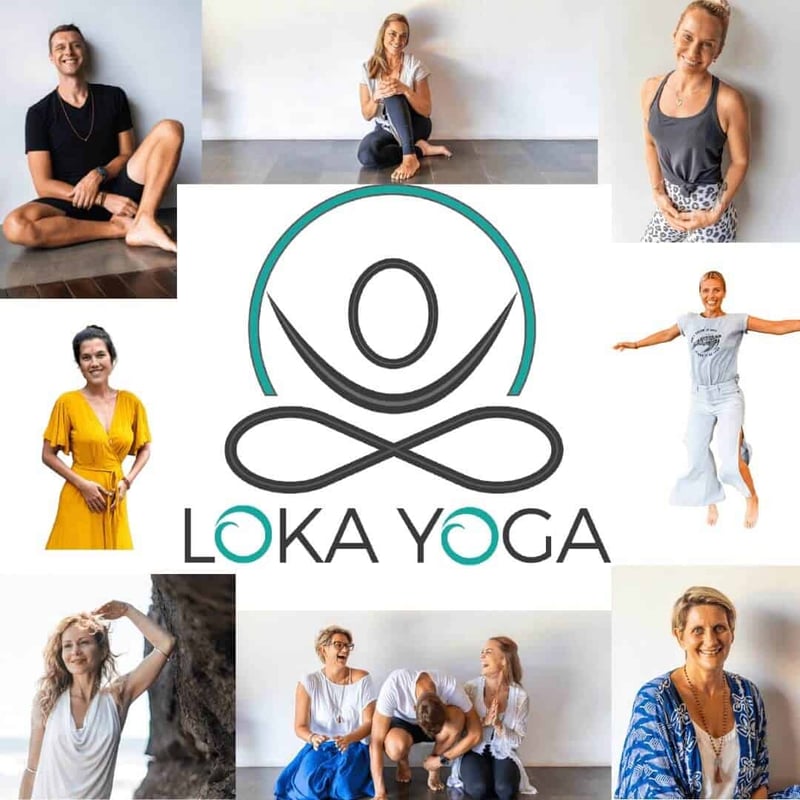
My co-director Yann and I run this school together. The teachers who work with us have been with us for years. We are family. There is honesty here, there is zero jealousy, and there is genuine respect in every direction.
I made a commitment when I opened this school: I would never treat anyone the way I was treated. I would never misrepresent our qualifications or fabricate our credentials. I would never put money above the integrity of the teaching. That is not a lofty ideal. It is a daily practice. It is yoga.
What the Work Actually Looks Like
The brochure version of this career is a sunlit room and grateful students. The real version has a lot more logistics in it, and knowing that early protects you from feeling that you are doing it wrong.
A working teacher’s week is fragmented. Classes sit at the edges of other people’s days, which means early mornings and evenings, with a dead middle you cannot easily fill with other paid work. If you teach across several studios you will spend real hours in transit, unpaid.
Then there is the preparation nobody sees: sequencing, playlists, learning names, answering messages from students who are injured or anxious or want to talk after class. It is care work, and it is genuine, and it is not on the timetable.
The physical load is the part that surprises people most. Demonstrating repeatedly, adjusting bodies, and using your voice for hours is a job your own practice does not prepare you for. Teachers who last plan their own recovery deliberately rather than assuming teaching counts as practising. It does not.
Why This Matters to You
If you are considering yoga teacher training, do your research. Look for real teachers with documented experience. Verify that the school holds the certifications it claims. Ask who will actually be teaching your training, not who is pictured on the website.
The yoga industry is not uniformly dishonest. There are genuinely excellent schools led by genuinely committed teachers. But the presence of fraud is real, and the people most harmed by it are the students who invest time, money, and trust only to receive a hollow qualification.
At Loka, what you see is what you get. Our credentials are verifiable. Our teachers are real. Our curriculum is built to Yoga Alliance standards and exceeds them. Integrity is not a marketing point. It is the foundation everything else is built on.
MAY 18 - 30
At Loka Yoga School, we offer an enriching yoga teacher training in Bali. This is an experience that combine sjsjsj training in Bali. This is an experience that combinesAt Loka Yoga School, we offer an enriching yoga teacher training in Bali. This is an experience that combine sjsjsj training in Bali. This is an experience that combines
nov 9 - 21
At Loka Yoga School, we offer an enriching yoga teacher training in Bali. This is an experience that combine sjsjsj training in Bali. This is an experience that combinesAt Loka Yoga School, we offer an enriching yoga teacher training in Bali. This is an experience that combine sjsjsj training in Bali. This is an experience that combines
The Ethical Problems Nobody Advertises
If integrity is the reason you are reading this, these are the pressures you will meet, and they rarely arrive labelled.
The first is scope. There is constant, quiet pressure to be more than a movement teacher: to advise on trauma, on nutrition, on illness. Students ask because they trust you, which makes refusing feel unkind. Learning to say that something is outside what you are trained for, and to know who to refer to, is the single most protective habit in this work.
The second is claims. Yoga has real, measurable effects, and it is surrounded by language that runs far past what the evidence supports. Overstating benefits is not harmless marketing; it is the reason serious people dismiss the field, and occasionally the reason someone delays care they needed.
The third is the training economy. A number of schools make more money selling teacher trainings than teaching yoga, and some sell trainings to people who will never teach. Being trained by an operation like that shapes what you think normal looks like.
The fourth is authority. Rooms where the lead teacher is beyond question, where doubt reads as a lack of commitment, are where most of the documented harm in this industry has happened.
Questions Worth Answering Before You Commit
None of the above is a reason not to do this. It is a reason to go in with your eyes open, which is a different thing.
Four questions are worth sitting with honestly. Do you want to teach yoga, or do you want to practise it more and have found teaching the only socially legible way to do that? Can you tolerate income that arrives in small irregular pieces, at least at first? Are you willing to keep studying after you qualify? And are you comfortable telling a student that you do not know?
If those answers are yes, the work is genuinely good. It is one of the few jobs where you watch people become less afraid of their own bodies, and that does not get old.
Two of our pieces cover the practical ground: whether a foundation qualification is enough to teach professionally, and seven practical tips for teaching better in your first year. If you want a training that talks about scope, ethics and money as openly as it talks about asana, that is what we built our Yoga Alliance certified 200-hour YTT in Bali around.
Why Bali Concentrates All of This
Bali deserves a specific mention, because it magnifies both ends of what this article describes.
The island has a genuine, deep-rooted spiritual culture and a real community of serious practitioners. It also has a dense concentration of teacher trainings competing for the same students, and that competition rewards marketing rather than teaching. Both things are true at once, and a month here will show you both.
The practical consequence for anyone training or working here is that reputation travels by word of mouth rather than by advertising. Ask graduates, not websites. Ask what happened when something went wrong on their course, because that is where a school’s character actually shows.
Working here adds its own constraints: teaching for payment requires the correct permissions, and the informal arrangements you will hear described casually are not as low-risk as they sound.
What Sustains the Teachers Who Stay
Attrition in this profession is high, and it is worth understanding why, because the teachers who last are not simply the most talented ones.
They protect their own practice first. Once teaching becomes the only time you are on a mat, the well you are drawing from empties, and students feel that before you do.
They have peers. Teaching is unusually isolating: you are the only person in the room doing your job, and there is no colleague to debrief with afterwards. The teachers who stay have two or three others they can be honest with about a class that went badly.
They keep studying, and not only in yoga. Anatomy, psychology, the mechanics of learning, even public speaking all feed directly back into the room.
And they let the shape of the work change. Very few people teach the same schedule at forty that they did at twenty-five. Mentoring, workshops, specialist populations and training other teachers are all ways the work matures rather than ends.
What to check before you sign with a studio
Most disappointment in this work traces back to an agreement nobody wrote down. Studios rarely intend to mislead, but a verbal arrangement made in a friendly moment tends to be remembered differently six months later.
Ask how you are paid before your first cover class, not after. A flat rate per class, a per-head rate, a base plus per-head, and a revenue share all sound similar in conversation and pay very differently in a quiet month. Ask which one applies, what happens if two students turn up, and when payment lands.
Ask who carries the insurance. Some studios cover teachers on their own policy, many expect you to hold yours, and a few say they cover you but mean something narrower than you would assume. Get the answer in writing, and read what your policy excludes.
Ask what happens to your class when you are ill or away. If arranging cover is your responsibility, you need a list of teachers before you need one, not on the morning you wake up with a fever.
Ask whether there is any restriction on teaching elsewhere. Non-compete clauses exist in this industry, sometimes drawn widely enough to reach your private clients, and you want to read one before you sign rather than when you leave.
None of these questions will offend a studio worth teaching for. The response is itself information: a clear answer suggests a place that has thought about how it treats teachers, and a vague one tells you what the next year is likely to look like. If you are earlier in the process, our guide to becoming a certified yoga instructor covers what to line up before you start applying.
Train Where Integrity Comes First
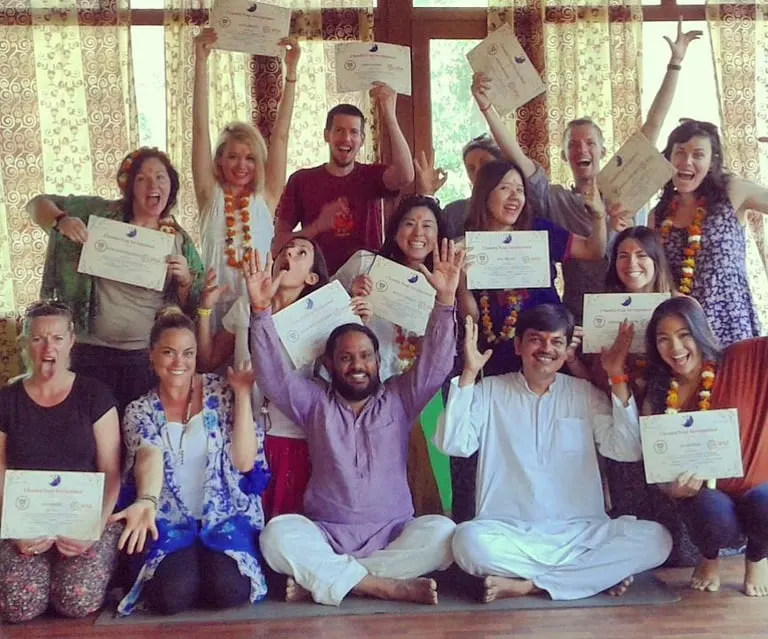
At Loka Yoga School, what you see is what you get. Our teachers are real, our credentials are verifiable, and our 200-hour Yoga Teacher Training is built on the honesty this industry too often lacks.
If you are weighing up schools, look for a training you can trust: real teachers, verifiable credentials, and a curriculum built to Yoga Alliance standards, and walk in with clear eyes.
Frequently Asked Questions
How do I spot a fraudulent yoga teacher training school?
Look for schools that cannot verify their Yoga Alliance registration, feature teachers whose credentials cannot be independently confirmed, or charge unusually low prices for internationally accredited programmes. Always check the Yoga Alliance register directly at yogaalliance.org.
Is the yoga industry regulated?
Not by law in most countries. Yoga Alliance is the primary voluntary accreditation body. A school can claim to teach yoga without any certification. This is why checking credentials, reading genuine reviews, and researching lead teachers individually matters so much.
What should a quality yoga teacher training include?
A quality 200-hour training covers asana practice and methodology, anatomy and physiology, pranayama, meditation, yoga philosophy, teaching practicum with feedback, and structured assessment. The lead teachers should hold E-RYT 500 credentials or equivalent demonstrated experience.
Is experience required to start yoga teacher training?
No minimum experience is required. What matters is genuine interest, physical readiness appropriate to the style being taught, and the willingness to commit fully to the training period.
Why does yoga teacher training quality vary so much?
Because there is no enforceable minimum standard. Yoga Alliance sets guidelines, but compliance is self-reported. This is why prospective students must do independent research and speak directly with graduates before enrolling.

The Loka Newsletter
Enliven your routine with exclusive spiritual content. There’s so much to learn.

Find us on Instagram
@lokayogaschool