Last updated on October 22nd, 2026 at 08:45 am
Anahata Chakra: The Complete Guide to the Heart Chakra
The Heart Chakra sits at the centre of the system, between the three lower chakras and the three upper ones. It is where the physical meets the spiritual, where personal need meets the capacity to love something bigger than yourself. Anahata governs love, compassion, grief, forgiveness, and the ability to both give and receive openly. Where the Root Chakra keeps you alive, Anahata makes life feel worth living.
This guide covers Sanskrit roots, anatomy, balance and imbalance signs, yoga, breathwork, mantra, crystals, oils, foods, affirmations, and FAQs. When one centre feels out of step, a chakra balancing yoga sequence helps bring the whole system back into rhythm. Some practitioners also like working with chakra stones and crystals alongside the physical practice.
At a Glance
| Sanskrit Name | Anahata (unstruck / unhurt sound) |
| Number | 4th Chakra |
| Location | Centre of the chest / cardiac plexus |
| Element | Air (Vayu) |
| Color | Green (secondary: pink) |
| Seed Mantra (Bija) | YAM (pronounced "yum") |
| Symbol | 12-petalled green lotus; two intersecting triangles (Shatkona) |
| Ruling Planet | Venus |
| Associated Gland | Thymus gland |
| Nerve Plexus | Cardiac plexus |
| Sense | Touch (Sparsha) |
| Animal Symbol | Black antelope / gazelle |
Sanskrit Etymology and Symbolism
Anahata means “unstruck” or “unbeaten.” It refers to the primordial sound that exists without two things striking together, the sound of pure consciousness before form. The name carries a teaching: beneath all the grief and hurt we accumulate in life, there is something in the heart that has never actually been broken.
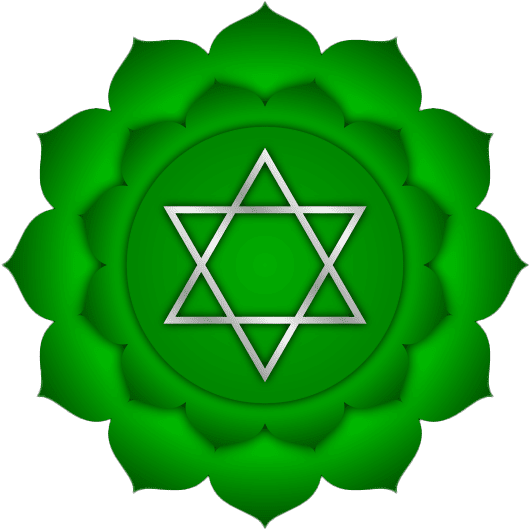
The twelve-petalled green lotus holds two intersecting triangles at its centre. One points up (masculine, fire, aspiration) and one points down (feminine, water, receptivity). Their union forms the Shatkona, or Star of David, representing the perfect balance of giving and receiving. The black antelope leaps through this symbol, embodying grace and the heart’s longing for freedom.
The Bridge Between the Lower and Upper Chakras
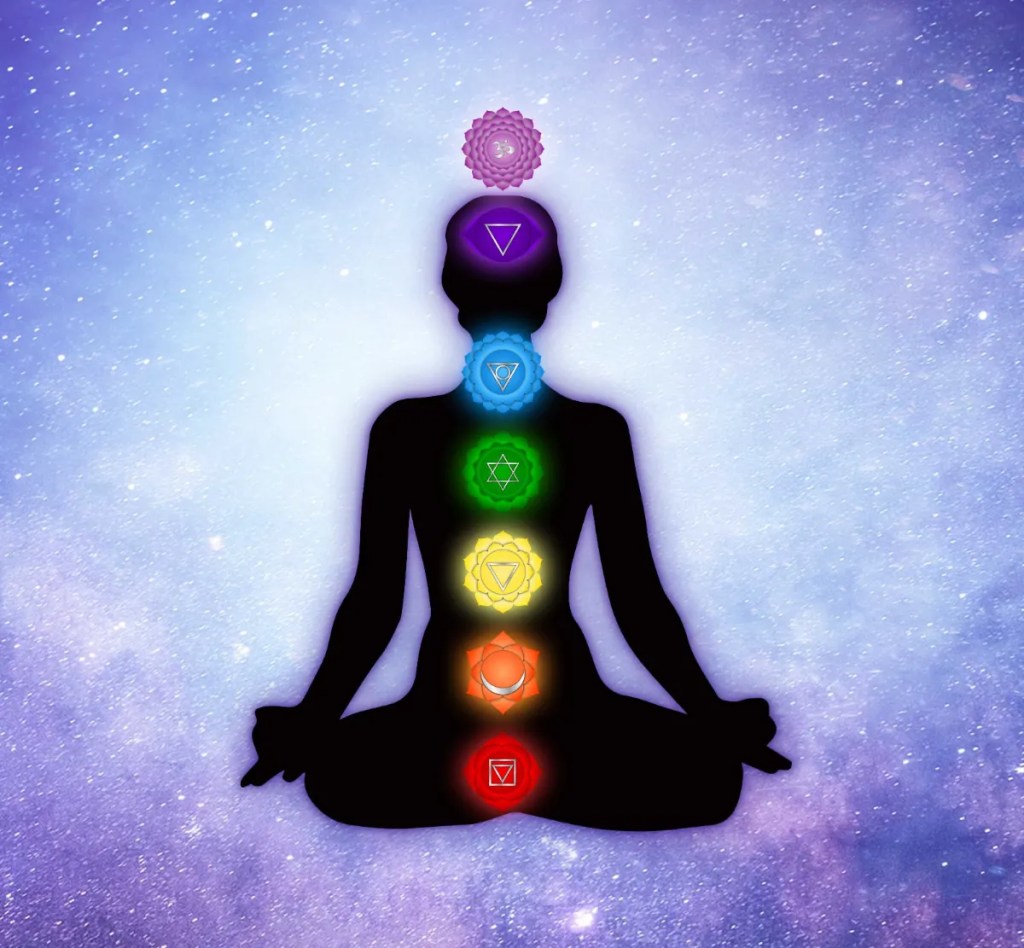
Think of the chakra system as a ladder of human consciousness. The first three centres, the Root, Sacral, and Solar Plexus chakras, govern physical existence and your sense of self in the material world. The upper three, the Throat, Third Eye, and Crown, connect you to expression, intuition, and something larger than yourself.
Anahata sits exactly between them and integrates the two. It is where earthly experience meets spiritual potential, which is why heart work tends to change everything else: it lets you live with both feet on the ground and the heart open. You can see the full ladder laid out in our guide to the 7 chakras in order.
Location and Anatomy
Anahata sits at the cardiac plexus at the centre of the chest, at the level of the fourth thoracic vertebra. It governs the heart, lungs, bronchial tubes, chest, shoulders, arms, and hands.
The associated gland is the thymus, positioned in the upper chest and central to immune function. It produces T-cells that protect the body. Research consistently shows that chronic loneliness and emotional suppression impair immune function, while compassion practices and social connection strengthen it. This is the link between heartache and physical health made visible in the body.
Signs of a Balanced Heart Chakra
- Genuine compassion for yourself and the people around you
- The ability to love without losing yourself in the process
- You can feel grief and move through it rather than around it
- Forgiveness as a real practice, not just an idea
- A quiet, steady joy and gratitude as your baseline
- Ease in both giving and receiving care
Signs of an Imbalanced Heart Chakra
Physical
- Heart palpitations, high blood pressure, or cardiovascular stress
- Lung issues: asthma, bronchitis, or shallow breathing patterns
- Persistent tension in the upper back and shoulders
- Frequent illness due to a weakened immune system
- Poor circulation
Psychological and Emotional
- Grief, prolonged sadness, or depression
- Inability to forgive; carrying grudges over long periods
- Fear of intimacy or real vulnerability
- Giving so much to others that nothing is left for yourself
- Bitterness, jealousy, or emotional withdrawal (contracted heart)
Blocked or Over-Active?
A blocked heart chakra feels like a wall around the emotions: isolation even in company, difficulty trusting or forgiving, and a general absence of joy. An over-active one is love without boundaries. It shows up as co-dependency, jealousy, possessiveness, and the rescuer pattern of giving yourself away until nothing is left, which ends in emotional exhaustion. Both need the same medicine in different doses: the blocked heart needs gentle opening, the over-active heart needs boundaries and self-compassion.
Common Causes of Imbalance
Loss and heartbreak are the most direct causes: bereavement, divorce, rejection, or profound disappointment. Growing up in a home where love was conditional, where emotional expression was discouraged, or where vulnerability was treated as weakness all create armour around the heart. Betrayal and sustained loneliness continue this in adulthood.
Yoga Poses for the Heart Chakra
Heart-opening backbends are the primary asanas for Anahata. Come to them with receptivity. The heart opens when it feels safe, not when it is forced
1. Bhujangasana -- Cobra Pose
Lie on your stomach with hands under your shoulders. Press the tops of the feet down and on an inhale peel the chest off the floor, keeping the elbows slightly bent. Soften the shoulders away from the ears and breathe into the front of the chest. Hold for five breaths.
2. Ustrasana -- Camel Pose
Kneel with hips over knees. Place hands on the lower back for support. Inhale and open the chest skyward, then optionally reach back to the heels. The heart pours forward and up. This pose can bring up unexpected emotion. Let it.
3. Matsyasana -- Fish Pose
Lie on your back, slide hands under the buttocks, and press your elbows into the floor to arch the back. Rest the crown of the head on the mat. The throat and chest open in one breath. Feel the lungs expand in all directions.
4. Eagle Arms
Seated or standing, cross the right arm under the left at the elbows and wrap the forearms. Bring the palms together and lift the elbows to shoulder height, drawing them gently forward. This opens the upper back and between the shoulder blades, where a great deal of unexpressed emotion tends to collect.
5. Supported Backbend over Bolster
Place a bolster horizontally on your mat. Lie back over it so it rests between the shoulder blades. Let the arms fall open to the sides. Stay here for three to five minutes, breathing. The heart is both exposed and completely supported. That combination is the practice.
6. Savasana with Loving-Kindness
In final rest, place both hands on the heart. Silently offer the phrases: May I be happy. May I be healthy. May I be at peace. Then extend the same to someone you love, someone neutral, and someone you find difficult. This is Metta meditation, the closest Western equivalent to Anahata’s essence.
Pranayama: Sama Vritti and Sitali
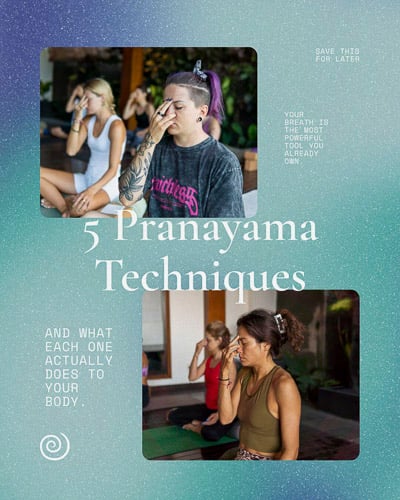
Sama Vritti, or equal breathing, uses a count of four for each part of the breath: inhale for four, hold for four, exhale for four, hold for four. This balanced rhythm activates the parasympathetic nervous system, the rest and digest state that the heart needs to open safely.
Sitali, or cooling breath, involves rolling the tongue into a tube (or pursing the lips) and inhaling cool air across it. Close the mouth and exhale through the nose. Sitali cools the excess heat of grief and reactive anger, both common in a wounded heart chakra.
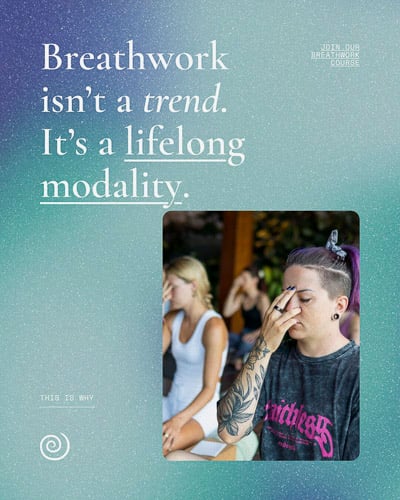
Go deeper with breathwork. Loka’s Online Breathwork Training takes you through the full spectrum of pranayama, from grounding and calming techniques to energising practices that build heat and focus. Self-paced and accessible from anywhere.

Mantra and Meditation
The bija mantra is YAM, pronounced “yum” with a soft nasal hum. It carries the frequency of the air element and opens the chest vibrationally.
Sit comfortably and close your eyes. Place both hands at the heart centre. On each inhale, breathe green light into the front of the chest. On each exhale, chant YAM and let any tightness or armour soften. After ten minutes, let the light expand outward in all directions. This is a radiation of love rather than a search for it. The 639 Hz Solfeggio frequency pairs well with this practice.
Build a consistent meditation practice. Our Online Meditation Training gives you the techniques, guided sessions, and progressive structure to establish a daily practice, including chakra-focused meditations like this one. Study at your own pace, from anywhere.
Crystals for the Heart Chakra
Rose Quartz
The universal stone of love, gentle, nurturing, and emotionally healing. Rose Quartz dissolves old wounds with steady warmth. Place it on the heart during Savasana, keep it on your bedside table, or wear it as a pendant over the chest.
Green Aventurine
Optimistic and generous in its frequency. Green Aventurine helps release patterns of disappointment and opens the heart to new possibilities in love and life. A good companion when you are ready to try again after a difficult period.
Rhodonite
Particularly suited to betrayal, abandonment, and heartbreak. Rhodonite balances the need for self-love with grounded protection. It supports the process of reopening safely after significant hurt.
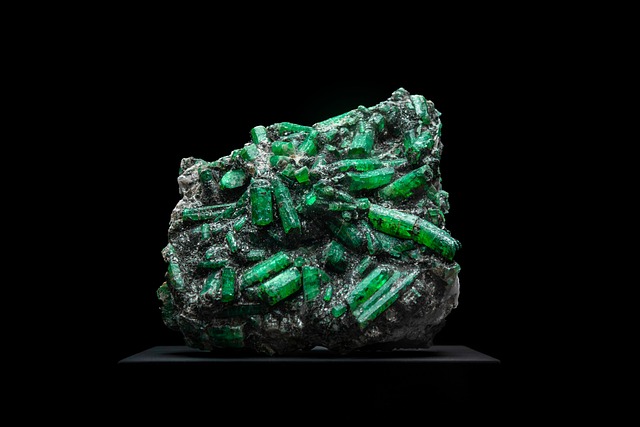
Emerald
Connected to the heart’s deepest frequency: unconditional love, loyalty, and the courage to remain open. A stone of wisdom for the long journey of heart healing.
Jade
A stone of harmony and purity, long associated with the gentler end of heart work. Jade suits daily wear: it supports steadiness and goodwill rather than intense emotional processing.
Essential Oils for the Heart Chakra
- Rose: the premier heart oil; deeply healing for grief and loneliness; use sparingly as it is potent
- Neroli: from orange blossom; opens the heart gently and reduces emotional shock
- Bergamot: bright and lifting; particularly useful when grief is pulling toward low mood
- Geranium: balancing and nurturing; bridges self-love and love for others

Anahata and the Limits of Opening
Heart-opening is the most repeated instruction in modern yoga and one of the least examined. Taken literally it means backbends, and backbends are a demanding, sometimes risky category of posture that a great many people are encouraged into far too quickly on the strength of a metaphor.
Taken as it is meant, it points at something worth wanting: a reduction in guardedness. That is a real thing and it does change how you move, though the causation runs less tidily than the phrase suggests, and it is not obvious that the posture produces the state rather than the other way around.
What is worth saying plainly is that guardedness is often appropriate. Somebody who has been badly treated is not carrying a blocked fourth chakra; they are carrying an accurate assessment. Practices that push toward openness without asking whether openness is currently safe can do real harm.
The gentler reading of Anahata, and the one the classical material actually supports, is balance rather than opening. It sits between the three lower centres and the three upper ones, and its work is to hold both without collapsing toward either.
In practice that makes the fourth chakra less about a dramatic opening and more about what you can hold at once. Affection and disappointment in the same afternoon, care for someone alongside a clear limit on what you will do for them, grief that has not finished and a day that still has to be got through. Holding two things is harder than opening, and it is the more durable skill.
Backbends can still be part of this, approached honestly. Warm up properly, work within the range you actually have rather than the one you would like, and give as much attention to the front of the body lengthening as to the back compressing. A backbend built carefully over years is good for the spine and the ribs.
What it is not is a shortcut to a state. If you finish a strong backbend feeling raw rather than settled, that is information worth taking seriously rather than pushing past.
Foods for the Heart Chakra
Green foods nourish Anahata and the cardiovascular system: leafy greens, broccoli, avocado, cucumber, green apple, lime, and matcha. Omega-3 rich foods like oily fish, flaxseed, and walnuts support heart health directly. Raw cacao is associated with the heart chakra because it stimulates the production of anandamide, a molecule linked to feelings of bliss and wellbeing.
Lifestyle: Gratitude and Everyday Kindness
The work you do off the mat matters as much as the backbends. Start or end the day by writing down three specific things you are grateful for. Specificity is the active ingredient: “the way the light came through the kitchen window” does more than “my house.” Gratitude practised this way steadily shifts the heart’s baseline from lack toward warmth.
Pair it with small, selfless acts of kindness done without expecting anything back: a real compliment, or listening to a friend with your full attention and no agenda. These are heart chakra practices disguised as ordinary life.
Heart Chakra Affirmations
- I am open to giving and receiving love freely.
- I forgive myself and others with compassion.
- My heart is strong and tender.
- I am worthy of deep, nourishing love.
- I radiate love and it returns to me.
Practise From the Heart With Loka
Heart work asks for consistency more than intensity. Loka’s Online Meditation Training gives you guided heart-centred meditations, including Metta and YAM practices like the ones above, inside a progressive structure you can follow at your own pace, from anywhere.
If the quieter, longer-held side of practice calls you, our Online Yin Yoga Teacher Training works deeply with the chest, shoulders, and upper back, where the heart holds its armour.
Frequently Asked Questions
Can grief block the Heart Chakra?
Yes, and it is one of the most common causes of Anahata closing down. When grief goes unprocessed, the heart builds armour to protect against further loss. The problem is that the same armour that keeps out pain also keeps out love. Allowing grief to move through, ideally with support, is what keeps this centre open. Restorative yoga, breathwork, and professional grief counselling all help.
What is the symbol for the heart chakra?
The Anahata symbol is a twelve-petalled green lotus with two intersecting triangles at its centre, forming a six-pointed star called the Shatkona. The upward triangle represents the masculine principle of aspiration, the downward one the feminine principle of receptivity, and their union represents the balance of giving and receiving that defines this chakra. A black antelope, symbolising grace and freedom, often appears within it.
What emotion is associated with the heart chakra?
A balanced Anahata expresses love, compassion, joy, and empathy. The emotions that most commonly block it are unresolved grief, sadness, betrayal, and loneliness. Healing the heart chakra usually means processing those heavier feelings rather than climbing over them.
What does it feel like when your heart chakra opens?
Most people describe a warm, expansive sensation through the chest, and emotionally, a surge of unconditional warmth: deeper empathy, inner peace, and a felt sense of connection with the people and world around you. It often arrives quietly, as a softening, rather than as a dramatic event.
What is the difference between the heart chakra and self-love?
Self-love is the internal dimension of Anahata, the ability to turn the heart’s compassion toward yourself. Many people find it far easier to love others than to extend that same care inward. A balanced heart chakra requires both directions: giving and receiving, outward and inward. Self-compassion practices, journaling, and simple self-care rituals build this.
Why do some people cry in backbend yoga?
Deep backbends open the front of the chest where emotional armour accumulates. When that armour is released, the emotion it was holding often comes with it. If tears arrive in a pose, breathe through them. You do not need to explain or suppress what surfaces. It is the body letting go of something it has been carrying.
The chakra system rewards sustained study rather than a single read. If you want to work with it properly, alongside pranayama, anatomy and the practice that carries it, our 200-hour yoga teacher training in Bali gives it four weeks of undivided attention.
Internal Links
Continue your journey: Solar Plexus Chakra Guide | Throat Chakra Guide | 7 Chakras Overview
External Sources
The Loka Newsletter
Enliven your routine with exclusive spiritual content. There’s so much to learn.

Find us on Instagram
@lokayogaschool