Last updated on October 24th, 2026 at 06:22 pm

The Power of Empathy

Empathy as a Foundation for All Relationship
The Neuroscience Behind Empathy

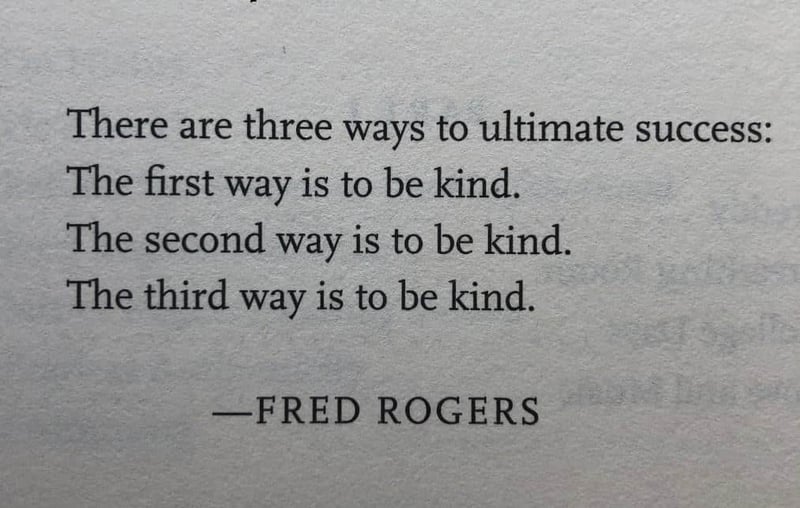
Kindness as a Physiological Act
Practising Empathy in Ordinary Moments
Empathy in Families and Communities
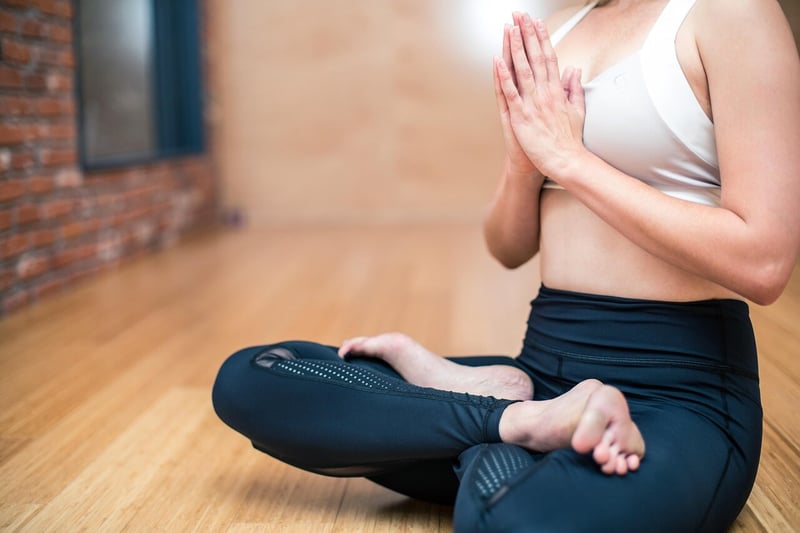
A Meditation Practice for Empathy

Feeling With Someone, and Feeling For Them
There is a distinction underneath most of what gets called empathy burnout, and it is worth having clearly. Feeling with someone means taking on their state. Feeling for them means registering their state accurately while remaining in your own.
The first is what people usually mean by empathy and it is not sustainable at volume. If every difficult conversation costs you the emotion of the person in front of you, you will ration your availability, and you will do it without deciding to.
The second is what carers, therapists, and long-serving teachers gradually learn. It is not colder. It is what lets you stay in the room on the fifth conversation of the day rather than becoming quietly unavailable by the third.
You can feel which one you are doing. Feeling with produces a pull in the chest and a slight loss of your own edges. Feeling for stays legible: you know what the other person is experiencing, and you also know where your own feet are.
The practical training for this is not emotional at all, it is attentional. Being able to notice where your attention is and move it is the skill, and it is what a regular meditation practice actually builds, as our guide to the benefits of meditation sets out.
What the Research Supports, and What It Does Not
Empathy is a field where the popular science has run well ahead of the evidence, and it is worth being straight about where the line sits.
What is reasonably supported is that contemplative practice changes stress physiology and psychological state. A 2014 meta-analysis in JAMA Internal Medicine found moderate evidence that meditation programmes improve anxiety, depression, and pain, and low or insufficient evidence for most other outcomes (Goyal et al.). A 2017 meta-analysis found yoga and mindfulness-based stress reduction affect stress-related physiological measures (Pascoe et al.), and a 2024 review of 111 randomised trials found mindfulness produces small improvements in cognitive functioning (Zainal and Newman).
Notice the size of those effects. Small to moderate, on outcomes that are measurable. That is a real and useful finding, and it is a long way from the claims made for these practices in most wellness writing.
What is not established is the tidy neural story. The mirror neuron account of empathy is a hypothesis that became a popular explanation faster than the human evidence arrived, and the oxytocin story is considerably messier than the phrase “bonding hormone” suggests. Both are plausible, neither is settled, and neither is needed for the practical point.
The practical point survives without any of it. Attention can be trained, a settled nervous system responds differently to another person’s distress than an activated one does, and you can verify both of those in your own week without a study.
When You Are the One Holding the Room
Teaching puts you in a version of this every week. Someone cries in savasana, someone tells you something heavy on the way out, someone arrives visibly unwell and says nothing. What you do next matters more than what you say.
The first move is almost always less than you think. Acknowledge, do not interpret. “That happens, and you are alright” is usually enough, and it does not oblige the person to explain themselves to you in a doorway.
The second is knowing your limit out loud. You are a yoga teacher, not a therapist, and the most caring thing you can do with something outside your training is say so plainly and point somewhere better. Nobody has ever been harmed by a teacher who admitted the edge of their competence.
The third is what you do afterwards. Teachers absorb a surprising amount over a week and most have no structure for putting it down. A short practice after your last class, a walk without your phone, or a five-minute note that nobody reads all do the same job of closing the loop.
This is trainable, and it is the part of teacher training that a weekend workshop cannot reach. Our 200-hour yoga teacher training in Bali works on holding a room as a distinct skill from sequencing one, and our article on the truth about working in the yoga industry is honest about the emotional load nobody mentions in the brochure.
When Empathy Is the Wrong Response
There are situations where reaching for empathy makes things worse, and skipping over them makes an article on this topic less useful than it should be.
The first is when someone needs a decision rather than understanding. A person in an emergency needs you to be clear and slightly boring. Attuning to their panic is the least helpful available response, and the calm you offer is worth more than the resonance.
The second is when empathy is being used to avoid a boundary. Understanding exactly why someone behaved badly is not the same as accepting it, and the two get conflated constantly, usually by the person on the receiving end. You can hold both: I can see how you got there, and this still cannot continue.
The third is when it is performed. Reflecting someone’s feelings back at them in a technique voice is worse than saying nothing, because it signals a script rather than attention. Most people detect it immediately and it costs you the trust you were trying to build.
The fourth is when you have nothing left. Empathy drawn from an empty tank comes out as irritation with a polite surface, and everyone can hear it. Saying you cannot do this conversation today and meaning it is the more respectful move, and it keeps you available for the next one.
Empathy Across Disagreement
The version of empathy most of us practise well is empathy for people we already agree with. Someone we like is struggling, we understand why, and the understanding costs us nothing. The harder case is the person whose position we think is wrong, and whose difficulty we quietly suspect they brought on themselves.
Empathy here does not mean agreement, and it does not mean setting your own view aside. It means accepting that the other person’s reasoning makes sense from inside their life, even where you can see what it leaves out. Accepting that is a separate act from endorsing it, and treating the two as the same thing is why so many conversations end with both people more certain than they started.
There is a plain test for this. Can you state the other person’s position in a way they would recognise, without the small distortions that make it easier to dismiss? If you cannot, you are arguing with a version of them you assembled yourself. Most of us find we cannot, the first few times we try.
What makes it difficult is not a shortage of goodwill. Disagreement tends to be read by the body as threat, and attention narrows under threat, which is the same mechanism described earlier in this article working against you rather than for you. Slowing your breath before you answer is not a technique for winning the exchange. It buys you the few seconds in which curiosity is still available.
The yamas ask for non-harm and truthfulness at once, which is exactly the tension here, and the eight limbs of yoga hold the two together rather than ranking one above the other. If you go on to teach, you will stand in front of people whose beliefs and choices you do not share, and a 200-hour yoga teacher training in Bali does not exempt you from that. Being able to treat someone decently without first requiring them to change is the difference between empathy as a practice and empathy as a preference.

Cultivate Compassion Through Practice
FAQ
Is empathy the same as sympathy?
Can empathy be learned or is it fixed?
What is the difference between empathy and emotional flooding?
Why does stress reduce empathy?
How does empathy connect to yoga philosophy?

The Loka Newsletter
Enliven your routine with exclusive spiritual content. There’s so much to learn.

Find us on Instagram
@lokayogaschool