Last updated on September 4th, 2026 at 03:05 pm
Pranayama vs Breathwork: What’s the Real Difference?
Pranayama vs breathwork is a distinction worth getting right, because the two are related but not the same. The simplest way to understand the relationship: all pranayama is breathwork, but not all breathwork is pranayama. Breathwork is the broad umbrella term for any deliberate, conscious use of the breath to shift physical, mental, or emotional state. Pranayama is one category within that umbrella, rooted in the classical yogic tradition and distinguished by specific goals, techniques, and philosophical context.
Knowing this distinction helps you choose the right practice for your specific intention, whether that is managing anxiety, deepening meditation, processing stored emotions, or improving athletic performance.
The Three Main Categories Under the Breathwork Umbrella
Pranayama is the ancient yogic science of breath regulation. Its techniques are designed to purify the nadis, the subtle energy channels of the body, balance the flow of prana, and prepare the mind for deep meditation. Pranayama is a limb of the classical eight-limbed path of yoga codified by Patanjali.
Conscious Connected Breathwork (CCB) encompasses modern therapeutic styles, including Holotropic Breathwork and Rebirthing, that use a continuous circular breathing pattern with no pause between inhale and exhale. The intention is typically therapeutic: accessing and releasing deep emotional material, processing trauma, and entering non-ordinary states of consciousness.
Functional breathing is the practical, health-oriented category of breathwork focused on correcting inefficient everyday breathing habits. Most adults breathe shallowly into the chest, use the mouth rather than the nose, and have developed dysfunctional patterns through chronic stress and sedentary posture. Functional breathing retrains these habits for better health and resilience.
What All Breath Practices Share
Before exploring the differences in detail, it is worth recognising what unites these approaches. All conscious breath practices use the breath as a tool to shift awareness, from the chattering mind into the intelligence of the body. All of them, practised regularly, produce measurable shifts in how the nervous system responds to stress.
Whether you are sitting upright in Nadi Shodhana, lying down in a Conscious Connected Breathwork session, or practising nasal breathing exercises from the Buteyko tradition, you are working with the same fundamental principle: intentional breathing changes physiology, and changed physiology changes how you think, feel, and experience the world.
Pranayama: The Yogic Path
Pranayama translates from Sanskrit as extension or expansion of prana, the vital life force that the yogic tradition understands to animate all living things. It is the fourth limb of Ashtanga yoga, positioned in the classical sequence between asana and pratyahara, the withdrawal of the senses inward.
The primary goal of pranayama is not stress reduction or emotional release, though these often occur. The traditional aim is to purify the subtle body and create the conditions for deep, stable meditation and ultimately liberation.
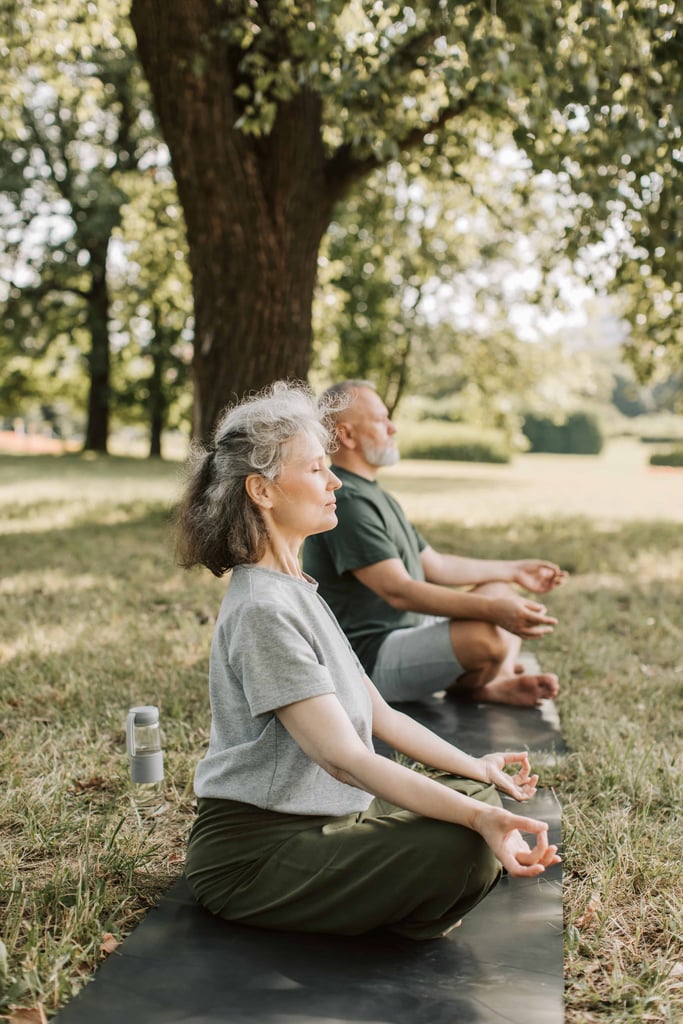
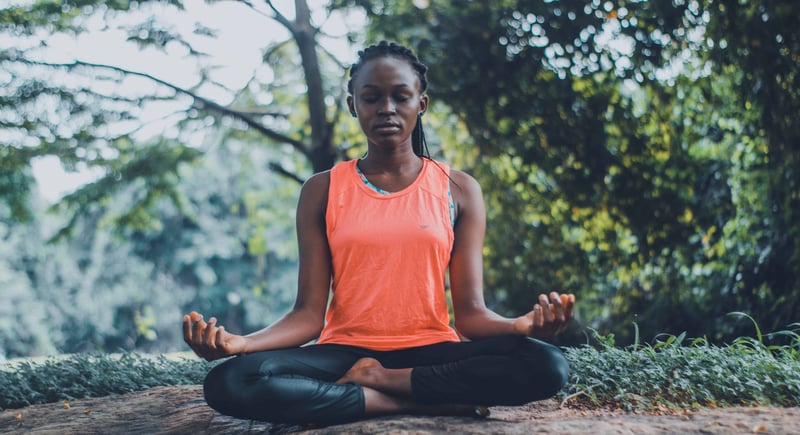
Techniques are characterised by precision. Ratios between inhale, retention (kumbhaka), and exhale are specified. Alternate nostril breathing (Nadi Shodhana) targets specific energy channels. Kapalabhati and Bhastrika activate and cleanse. Sitali and Sitkari cool. The practice is typically performed seated upright, and traditionally taught within the broader context of a sadhana, a committed daily practice.
The nervous system effects of pranayama are primarily parasympathetic. Most classical techniques, with the exception of activating practices like Kapalabhati, move the practitioner toward a state of calm, inward attention suitable for meditation.
Conscious Connected Breathwork: The Therapeutic Journey
Conscious Connected Breathwork emerged as a distinct modality in the West during the latter half of the twentieth century, developed through figures including Stanislav Grof (Holotropic Breathwork) and Leonard Orr (Rebirthing). While the circular breathing pattern has echoes in classical practices, the intent and framework are distinctly modern.
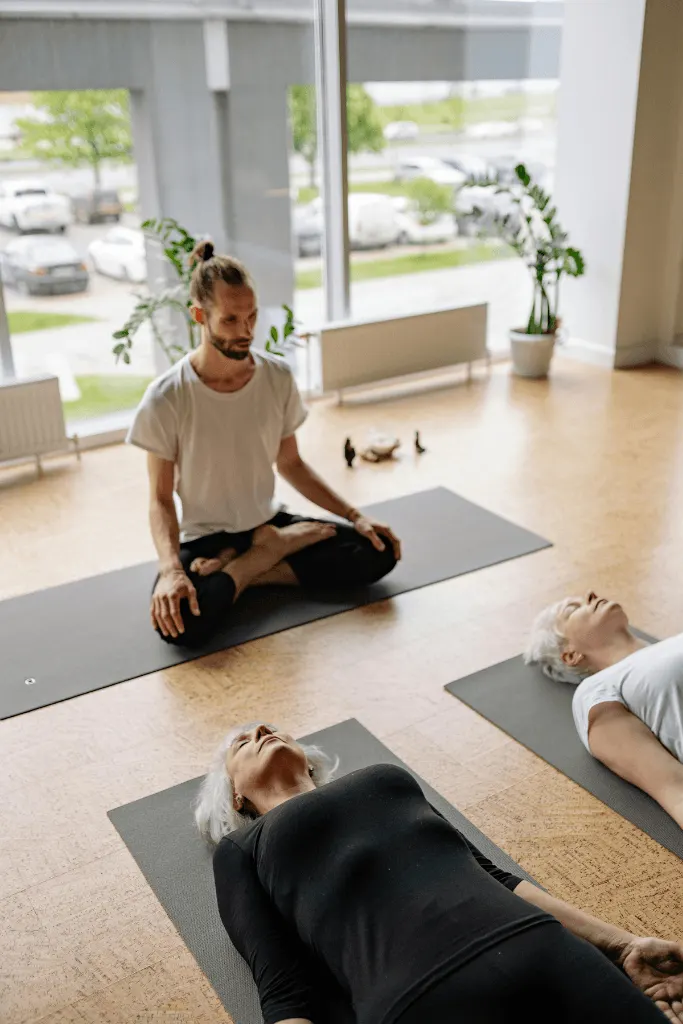
CCB sessions typically involve lying down for 30 to 90 minutes or longer, breathing continuously without pause between inhale and exhale, supported by a facilitator and a carefully curated music score. The circular breathing pattern activates the sympathetic nervous system, bringing suppressed energy and emotional material to the surface for processing and release.
The experiences that arise in these sessions can be intense: tingling in the hands, face, and feet, emotional waves, spontaneous movement, and altered perceptual states. The tingling has a straightforward explanation. Sustained fast breathing lowers carbon dioxide, and the resulting respiratory alkalosis alters nerve excitability and narrows cerebral blood vessels.
Facilitators commonly describe these sensations as release. The honest position is that the physiology is well documented while the therapeutic interpretation placed on it is not, and you are entitled to hold both of those facts at once.
CCB should always be learnt and practised with a qualified facilitator, particularly in early stages. The contraindications are significant, including cardiovascular conditions, pregnancy, epilepsy, and certain psychological conditions.
Functional Breathing: The Health Practice
The functional breathing category includes the Buteyko Method, Oxygen Advantage protocols, and general diaphragmatic retraining. These approaches are focused on the mechanics of everyday breathing rather than altered states or spiritual development.
The target population for functional breathing includes anyone with chronic hyperventilation patterns, mouth-breathing habits, asthma, sleep apnoea, anxiety driven by dysregulated CO2 tolerance, or reduced athletic performance from inefficient respiration. The work is practical, measurable, and often produces significant health improvements relatively quickly.
Functional breathing works by restoring nasal breathing, re-engaging the diaphragm, and improving the balance of oxygen and CO2 in the blood. CO2, often misunderstood as simply a waste gas, is in fact the primary trigger for the breathing reflex and plays a critical role in oxygen delivery to the tissues. Many people chronically over-breathe, expelling too much CO2 and paradoxically reducing their body’s ability to use oxygen efficiently.
Which Practice Is Right for You?
The answer depends on your intention.
If you are seeking a daily spiritual practice that deepens over years and ultimately supports meditation, pranayama is the natural path. Begin with Nadi Shodhana and diaphragmatic breathing. If you have an established yoga practice, pranayama will integrate naturally.
If you are dealing with stored trauma, chronic emotional suppression, or want to work on deep psychological patterns, CCB, practised with a qualified facilitator, is often the more direct route. The body-based approach can reach material that years of talk therapy have not shifted.
If your primary goals are health improvement, better sleep, reduced anxiety, or athletic performance, functional breathing is likely the most relevant starting point. The Buteyko-based approaches and diaphragmatic retraining protocols produce reliable, measurable results.
Many practitioners work with all three categories over time. Pranayama as a daily sadhana, occasional CCB sessions for deeper clearing, and functional breathing habits integrated into everyday movement and rest. If you are curious about taking this further professionally, our piece on the benefits of breathwork facilitator training is worth a read. And when you are ready to compare programs, our roundup of the 10 best breathwork certifications lays the field out.
Safety Considerations Across All Categories
Gentle pranayama techniques including Nadi Shodhana and diaphragmatic breathing are safe for most people, including beginners.
Activating techniques, including kapalabhati, bhastrika, and any pranayama with extended breath retention, should be learnt with a qualified teacher, because their physiological effects and contraindications are specific. Kapalabhati, bhastrika, and breath of fire are also three different techniques that studios tend to treat as one, and our guide to kapalabhati, and how it differs from bhastrika and breath of fire sets out the mechanics and the contraindications of each.
CCB should always be facilitated professionally, particularly for beginners. The intensity of the physiological and emotional responses that can arise requires trained, experienced holding.
If you want a structured, accredited pathway into both pranayama and contemporary breathwork techniques, Loka Yoga School’s Online Breathwork Training covers the full spectrum with anatomy, safety, and trauma-informed facilitation built into the curriculum.
What the Trials Actually Show for Pranayama vs Breathwork
The two traditions have very different evidence bases, and neither is as strong as its advocates suggest. Slow-paced practices are the better supported of the pair. Zaccaro and colleagues’ systematic review of slow breathing reports consistent increases in heart rate variability and shifts in central nervous system activity, and Russo and colleagues’ review of slow breathing in healthy adults reaches the same conclusion for baroreflex sensitivity.
Fast, high-ventilation practices are studied less and with weaker designs. Fincham and colleagues’ review of high ventilation breathwork sets out the mechanisms and the clinical considerations, and is candid about how thin the trial base is.
The most instructive result is a negative one. The same group’s randomised placebo-controlled trial of brief remote high ventilation breathwork with retention found no advantage over an active placebo. That does not mean the practice does nothing. It means that when you control properly for expectation, the specific effect is harder to find than the enthusiasm implies.
For comparison, Yilmaz Balban and colleagues’ trial of brief structured respiration practices found that five minutes a day improved mood and reduced respiratory rate, with cyclic sighing, an exhale-weighted pattern, performing best. Short and slow currently has better evidence behind it than long and fast.
What Fast Breathing Does to Your Blood Chemistry
Understanding the mechanism removes most of the mystique, and it also makes the safety rules obvious rather than arbitrary.
Deliberate overbreathing removes carbon dioxide faster than the body produces it. Blood carbon dioxide falls, which is hypocapnia, and blood pH rises, which is respiratory alkalosis. Kox and colleagues’ study in PNAS documented exactly this in trained practitioners, recording pH values as high as 7.75 during cyclical hyperventilation against a normal range of roughly 7.35 to 7.45.
Two consequences follow directly. Alkalosis changes the excitability of nerve membranes, which is why tingling in the lips, hands, and feet is so common. It also constricts cerebral blood vessels, reducing blood flow to the brain, which accounts for the light-headedness and some of the altered perception.
This is why the contraindications are what they are, and why you never practise fast breathing in water, standing, or driving. It is also why a session should end with the breath returning to normal rather than being pushed further.
How to Choose, and What to Learn First
If you are starting from nothing, start slow. The evidence is stronger, the risk is negligible, and the skill transfers: a person who can lengthen an exhalation on demand has something useful in every other practice.
If you want the classical framework rather than a technique list, read our explanation of what pranayama is and where it sits within the eight limbs. If you want a specific fast technique taught carefully, our guide to kapalabhati covers the contraindications properly.
If you are drawn to the therapeutic end, choose a facilitator who screens you before the session rather than after, who states contraindications without being asked, and who does not promise a specific emotional outcome.
Our online breathwork training teaches both traditions and, more importantly, the physiology underneath them. The pranayama modules inside our Yoga Alliance certified 200-hour YTT in Bali place the same material in a full yogic context, taught in person.
Train in Both Traditions With Loka
Understanding the difference between pranayama and modern breathwork is the first step. The next is learning to practise and teach each safely, with the anatomy and facilitation skills that make you effective.
Loka Yoga School’s Online Breathwork Training covers the full spectrum, from classical pranayama to contemporary conscious-breathing techniques, with trauma-informed facilitation built into the curriculum. If you would like to test the water first, our free three-day introduction to breathwork facilitation is a low-commitment way to see whether teaching this work suits you.
FAQ
Is pranayama the same as breathwork?
Pranayama is a specific category within breathwork, rooted in the classical yogic tradition. Breathwork is the broader umbrella term covering pranayama alongside modern approaches including Conscious Connected Breathwork, Holotropic Breathwork, and functional breathing methods. All pranayama is breathwork; not all breathwork is pranayama.
Which is better for anxiety, pranayama or modern breathwork?
Both are effective but through different mechanisms. Gentle pranayama techniques like Nadi Shodhana (Alternate Nostril Breathing) activate the parasympathetic nervous system and are excellent as a daily anxiety management tool. CCB can address the deeper somatic roots of anxiety accumulated as stored stress in the body, but requires a trained facilitator and a prepared container.
Can a complete beginner start with pranayama?
Yes. Diaphragmatic breathing and Nadi Shodhana are gentle, safe, and highly effective starting points for beginners. Five to ten minutes of practice daily produces measurable benefits within weeks. Activating techniques like Kapalabhati and any practice involving extended breath retention should be learnt with an experienced teacher.
What is kumbhaka and is it safe?
Kumbhaka is the yogic term for breath retention, which can be applied after the inhale (antara kumbhaka) or after the exhale (bahya kumbhaka). Retention is a powerful practice that intensifies the physiological and energetic effects of pranayama. It should only be introduced under the guidance of a qualified teacher, not attempted by beginners through self-study alone.
How does CCB feel different from pranayama during practice?
Pranayama, particularly its gentler techniques, typically produces a state of calm, focused inward attention. CCB, with its continuous circular breathing, activates the sympathetic nervous system and often produces strong physical sensations including tingling, temperature changes, and emotional waves. CCB sessions are usually more intense and longer in duration, commonly 60 to 90 minutes, compared to a 10 to 20 minute pranayama practice.
The Loka Newsletter
Enliven your routine with exclusive spiritual content. There’s so much to learn.

Find us on Instagram
@lokayogaschool