Last updated on July 29th, 2026 at 07:40 am
The Ultimate Guide to Crafting Your Own Premium Yoga Program
Creating a premium yoga programme starts with a strong certification, a clear teaching identity, and a deep understanding of the students you want to serve. This guide walks you through every practical step, from choosing your style and qualifying as a teacher, to designing classes with a clear purpose and building a programme people will pay for.
Premium here does not mean expensive for its own sake. It means an offering with a clear purpose, real depth, and an experience students value enough to pay for and return to. That combination is what the steps below are designed to build, in order.
Step 1: Get Properly Qualified
This is non-negotiable. A premium programme is built on credibility, and credibility starts with a rigorous, internationally recognised qualification.
Complete a 200-hour Yoga Teacher Training at a Yoga Alliance Registered Yoga School. This is the global minimum standard for professional certification and the credential required for teaching insurance, studio employment, and Yoga Alliance registration as an RYT 200.
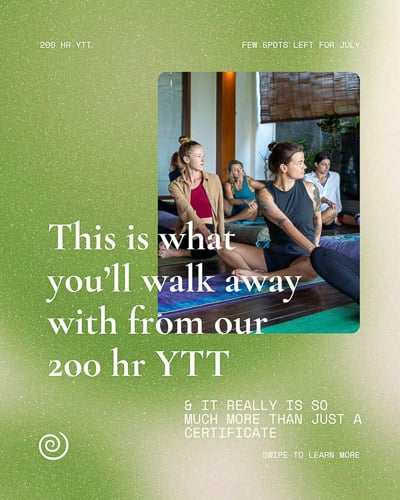
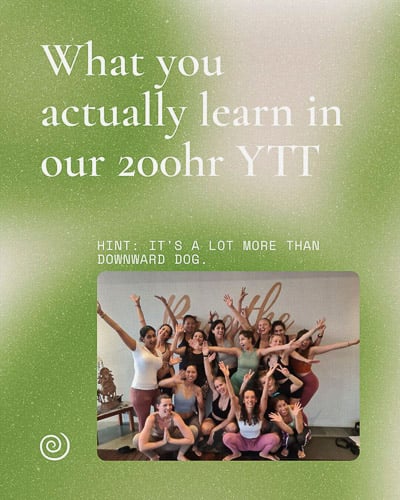
At Loka Yoga School, our 200-Hour YTT in Bali has trained teachers from over 40 countries since 2016. We hold a 5.0-star rating from 244 graduates. The programme covers asana, anatomy and physiology, yoga philosophy, pranayama, meditation, teaching methodology, and business of yoga, all of it within an immersive four-week format in Canggu and Kedungu.
A weekend programme can technically qualify you. An immersive programme transforms you. If the goal is a premium offering, start with the most thorough training you can access.
Step 2: Choose a Foundation Style
The yoga world has an enormous range of styles. For building a versatile, professional teaching career, a strong foundation in Hatha yoga is your best starting point. Hatha is the root of most modern yoga styles, and mastering it gives you the technical depth to teach confidently across a wide range of students and settings.
From that foundation, develop working knowledge of Vinyasa and Yin. Here’s why this combination works.
Hatha gives you precision: detailed alignment, long holds, and the technical building blocks of the practice.
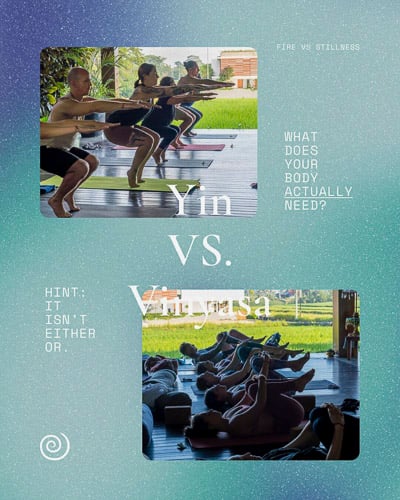
Vinyasa gives you flow: dynamic sequencing, breath-linked movement, and the ability to build energy and momentum in a class.
Yin gives you depth: slow, meditative, connective-tissue-focused practice that complements any yang activity and serves a wide therapeutic population.
This combination allows you to teach dynamic morning flows, deep stretch evenings, and slower technique-focused classes. You become versatile rather than narrow, which is a significant professional advantage.
There is a practical reason to resist learning every style at once. A course that promises all of them can rarely go deep into any, and depth is what students feel. Build one strong foundation first, then widen from a position of genuine competence.
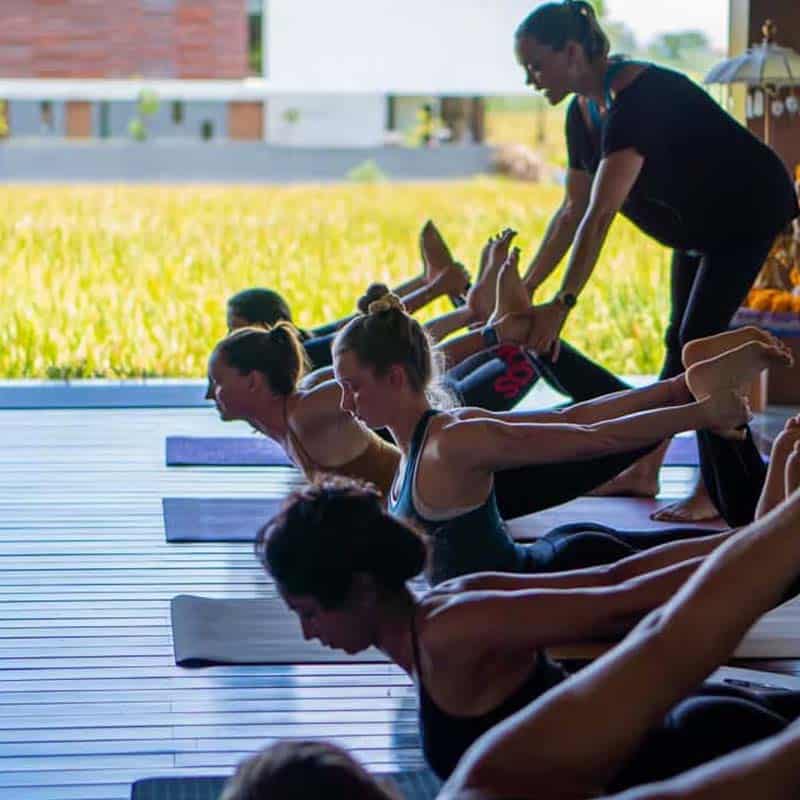
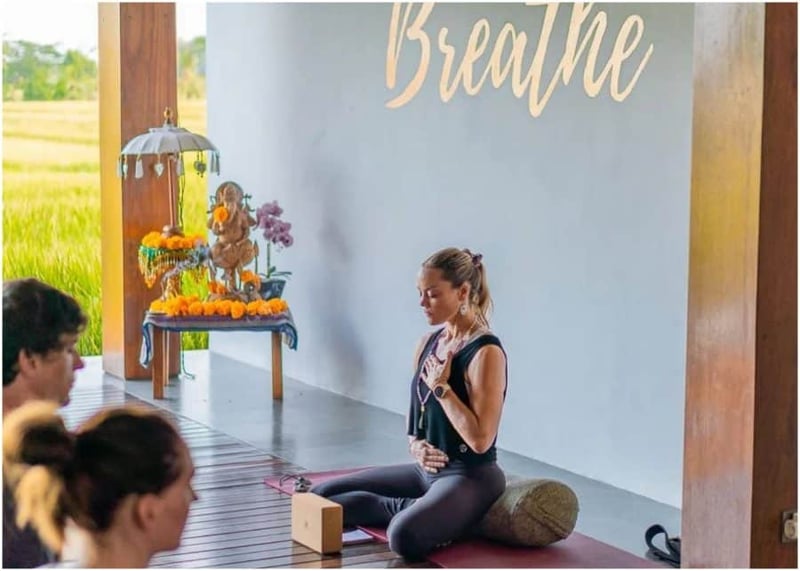
Step 3: Understand the Styles You Might Encounter
As a professional teacher, you need working knowledge of the broader yoga landscape. Here’s a clear overview.
Iyengar yoga emphasises precision and anatomical correctness, using props extensively to achieve ideal alignment. Poses are held for extended periods.
Bikram yoga is a set sequence of 26 poses practised in a room heated to approximately 42 degrees Celsius. Highly specific and demanding. Not recommended for beginners.
Ashtanga yoga follows a fixed sequence of postures in an athletic, physically demanding practice. Suited to disciplined, experienced practitioners.
Kundalini yoga integrates dynamic movement, breathwork, chanting, and mantra. One of the most spiritually oriented modern styles.
Restorative yoga uses props to support the body in passive, deeply relaxed positions. The aim is nervous system restoration, not tissue loading.
Hatha, in its modern sense, is the slower, posture-focused practice most beginners meet first, and it underpins nearly everything else. Vinyasa links breath to movement in a continuous flow, sitting somewhere between a dance and a workout in its pace. Yin, at the other end, holds a small number of passive poses for minutes at a time to reach the connective tissue. Together these three cover most of what a general student will ask you about.
You don’t need to teach all of these. You do need to know enough about each one to answer your students’ questions honestly and to understand how your own approach relates to the broader tradition.
Step 4: Define the Focus of Your Programme
Yoga programmes generally fall into three categories.
Spiritual and philosophical. These classes centre on the internal dimensions of yoga: mantra, mudra, bandha, philosophy, and the cultivation of awareness. They tend to be slower, more introspective, and closely connected to the traditional roots of the practice.
Health and fitness. These classes prioritise physical outcomes: strength, flexibility, mobility, and cardiovascular conditioning. They tend to be more dynamic and can include arm balances, inversions, and challenging sequences.
Integrated. This is the approach most effective teachers eventually develop: combining the physical rigour and somatic intelligence of yang practice with the philosophical depth and inner orientation of the tradition. Science meets spirituality, as we say at Loka.
Choose the focus that genuinely reflects your values and your practice. Students sense inauthenticity immediately. A programme built from your real orientation will serve people more effectively than one constructed around what you think the market wants.
Your focus is also a promise to a particular student. Someone looking for a hard, sweaty practice and someone looking for stillness are not the same market, and trying to serve both in one class usually serves neither well. Naming your focus clearly is what lets the right people recognise your programme as being for them.
Step 5: Know Your Students' Goals
The most premium yoga experiences are precisely calibrated to the people they serve. Before you design a class, workshop, or programme, be clear about the following.
Who are these students? What is their age, experience level, and relationship to their body? What brings them to yoga in the first place?
What outcomes do they want? Stress reduction? Physical rehabilitation? Athletic performance? Spiritual development? Better sleep?
How does your programme deliver those outcomes? This should be specific. “Yoga for stress” is a category. A four-week progressive programme that integrates Yin asana, pranayama, and guided meditation to activate the parasympathetic nervous system is a product.
The more clearly you can articulate what your programme does and for whom, the more confidently you can position and price it.
The setting shapes the product as much as the content. A fitness-focused class scales comfortably to a large group, while a spiritual or therapeutic offering usually works better in a small group or one to one. Deciding this early keeps your programme coherent and helps the right students find you.
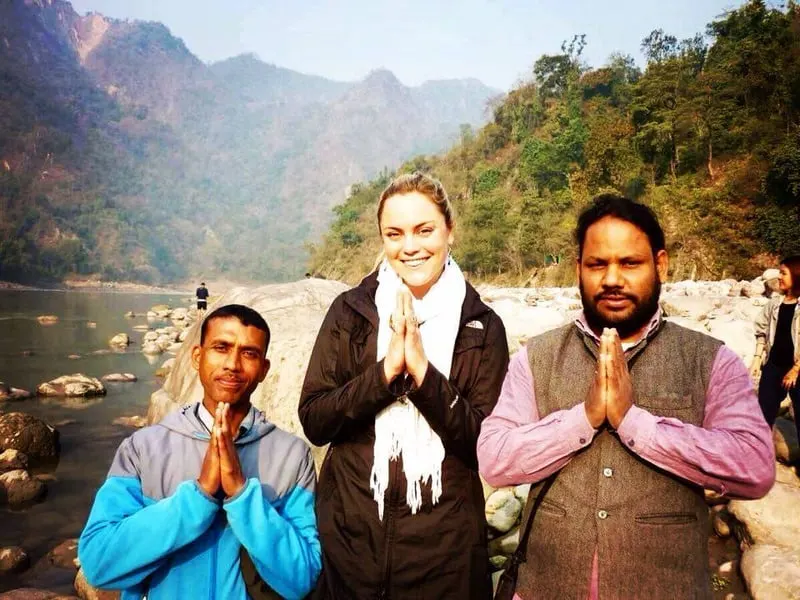
Step 6: Design Your Classes with Intention
A premium class has a structure that serves a purpose. Every element, from the opening pranayama to the closing savasana, should contribute to a coherent experience.
A well-sequenced class builds gradually from stillness and breath awareness into the physical practice, reaches a peak that challenges students appropriately, and then releases back towards stillness. The philosophy you bring to the class gives it meaning beyond the physical.
Your cueing language matters. Instruction that is anatomically precise, emotionally attuned, and free of vague spiritual language creates trust. Students feel safe and guided. That is what keeps them coming back.
Above all, a good teacher protects the student’s experience. You never push someone past their limit or treat a room of different bodies as if they were one. When students feel safe, seen, and unhurried, your class becomes a place they trust and return to, and that trust is the real foundation of anything premium.
Think in arcs rather than lists of poses. A considered class has a beginning that settles the nervous system, a middle that builds and challenges, and an end that returns students to rest. When the sequence has that shape, even a demanding practice feels contained and complete rather than merely tiring.
Step 7: Never Stop Learning
The teachers whose programmes become genuinely premium are the ones who continue studying after they graduate. Add specialisations that expand what you can offer: Yin Yoga Teacher Training, Breathwork Teacher Training, Meditation Teacher Training, or a deeper dive into Yoga Philosophy.
The best yoga teachers are genuinely curious. That curiosity comes through in their teaching. It’s the difference between competent and extraordinary.
Ready to begin? Apply for the Loka Yoga School 200-Hour YTT here.
Each specialisation you add also widens the programme you can sell. A teacher who can offer breathwork, meditation, or a Yin module alongside a general class has more ways to package an offering and more reasons for a student to stay. Continuing education is not only self-improvement, it is how a premium programme keeps growing.
What the Evidence Says About Teaching Safely
A programme that promises transformation and delivers injuries will not survive its own reviews, so this belongs in your planning rather than your disclaimer.
The reassuring finding first. Cramer and colleagues’ meta-analysis of adverse events in randomised trials found yoga was not associated with more serious adverse events than usual care or exercise. Yoga is broadly safe.
The qualifier matters though. Their systematic review of epidemiological studies and Swain and McGwin’s analysis of United States injury data both show injuries cluster in loaded end-range positions and in students progressed faster than their tissue tolerance allows.
For your programme that translates into three design decisions: screen for relevant history before enrolment, build progressions that let someone stay at an earlier stage without falling behind the group, and give explicit permission to opt out of any shape without explanation.
Those choices also sell. Experienced students recognise them immediately as the mark of someone who has taught long enough to have seen something go wrong.
Pricing It Without Apologising
Most new teachers underprice, then resent the work. The fix is arithmetic rather than confidence.
Start from what the offering costs you to deliver: venue or platform, insurance, materials, your preparation time, and the admin nobody counts. Then decide how many hours a week you can sustain at that intensity without your own practice collapsing. That number, not the market rate, sets your floor.
Premium pricing has to buy something specific. Smaller groups, individual feedback, a written plan, access between sessions, or genuine specialism. If a prospective student cannot name what they get for the higher price within ten seconds of reading your page, the price is not premium, it is just high.
Discounting erodes more than margin. It tells the people who paid full price that they were the ones who got it wrong, and it is very hard to reverse. Run a smaller first cohort at full price instead of a full one at half.
Our guide to making a living as a yoga teacher works through the same numbers across a whole teaching week.
Run a Pilot Before You Launch
The gap between a programme that reads well on paper and one that works in a room is wider than most first-time teachers expect. A pilot closes it cheaply. Take six or eight people through the whole thing at a reduced rate, on the understanding that they will tell you the truth at the end.
Run it at full length. A four-week pilot of a six-week programme tells you almost nothing about week five, which is usually where attendance dips and where the sequencing problems surface. If the programme is meant to build, you need to watch it build.
Pay attention to what people do rather than what they say. Note who stops coming and at which session, where the room gets restless, and which cues you find yourself repeating because they are not landing. Those notes are worth more than a satisfaction survey, since people are polite about something they paid a discount for.
Ask two questions at the end and no more. What nearly stopped you coming back, and what did this turn out to be worth to you. The first surfaces friction you cannot see from the front of the room. The second tells you whether the value you think you are offering is the value people actually received.
Then change one thing at a time. Rewriting the whole programme after a single cohort usually means discarding the parts that worked along with the parts that did not. A pilot is useful precisely because it is small enough to run again.

Build Your Offering on Solid Ground
A premium programme rests on real teaching depth. Many teachers build that first through 13 reasons to become a yoga teacher and a strong base training.
Our 200-Hour Yoga Teacher Training gives you the credibility and skill your programme will be built on.
Frequently Asked Questions
Do I need to specialise in one style of yoga to be a successful teacher?
Specialisation is valuable, but so is versatility. The most effective approach is to develop genuine depth in one or two styles while maintaining working knowledge of others. Teachers who can offer Vinyasa flows, Yin sessions, and meditation classes serve a wider student base and are more employable across different settings.
How do I set prices for a premium yoga programme?
Pricing should reflect the depth and quality of your content, your experience level, and the market you’re serving. Premium programmes with strong anatomy content, philosophical depth, and clear outcomes command higher prices than generic class packages. Calculate your costs first, then price for the value you deliver, not just the hours you teach.
What is the difference between a yoga class and a yoga programme?
A yoga class is a single session. A programme is a structured series of sessions with a defined outcome and progression over time. Programmes offer much more value to students than individual classes and are easier to market, price confidently, and build a reputation around.
Can I create an online yoga programme after completing my YTT?
Yes, and many teachers do. Online programmes have lower overhead costs, reach a global audience, and can be delivered asynchronously, giving you income that doesn’t require your physical presence for every session. A strong online offering is an excellent complement to in-person teaching.
How important is yoga philosophy in a premium yoga programme?
Very important, and often underestimated. The philosophical framework of yoga gives your programme depth, coherence, and meaning that purely physical content cannot provide. Students who encounter yoga philosophy through a skilled teacher often describe it as one of the most practically relevant bodies of knowledge they’ve encountered. It’s what separates a fitness class from a genuine yoga experience.

The Loka Newsletter
Enliven your routine with exclusive spiritual content. There’s so much to learn.

Find us on Instagram
@lokayogaschool